Nvidia Debuts Vera Rubin Platform with Strong MLPerf Benchmark Results
Nvidia has showcased its new Vera Rubin platform, achieving top marks in MLPerf Training and Endpoints benchmarks.
 🔌Chips & Hardware
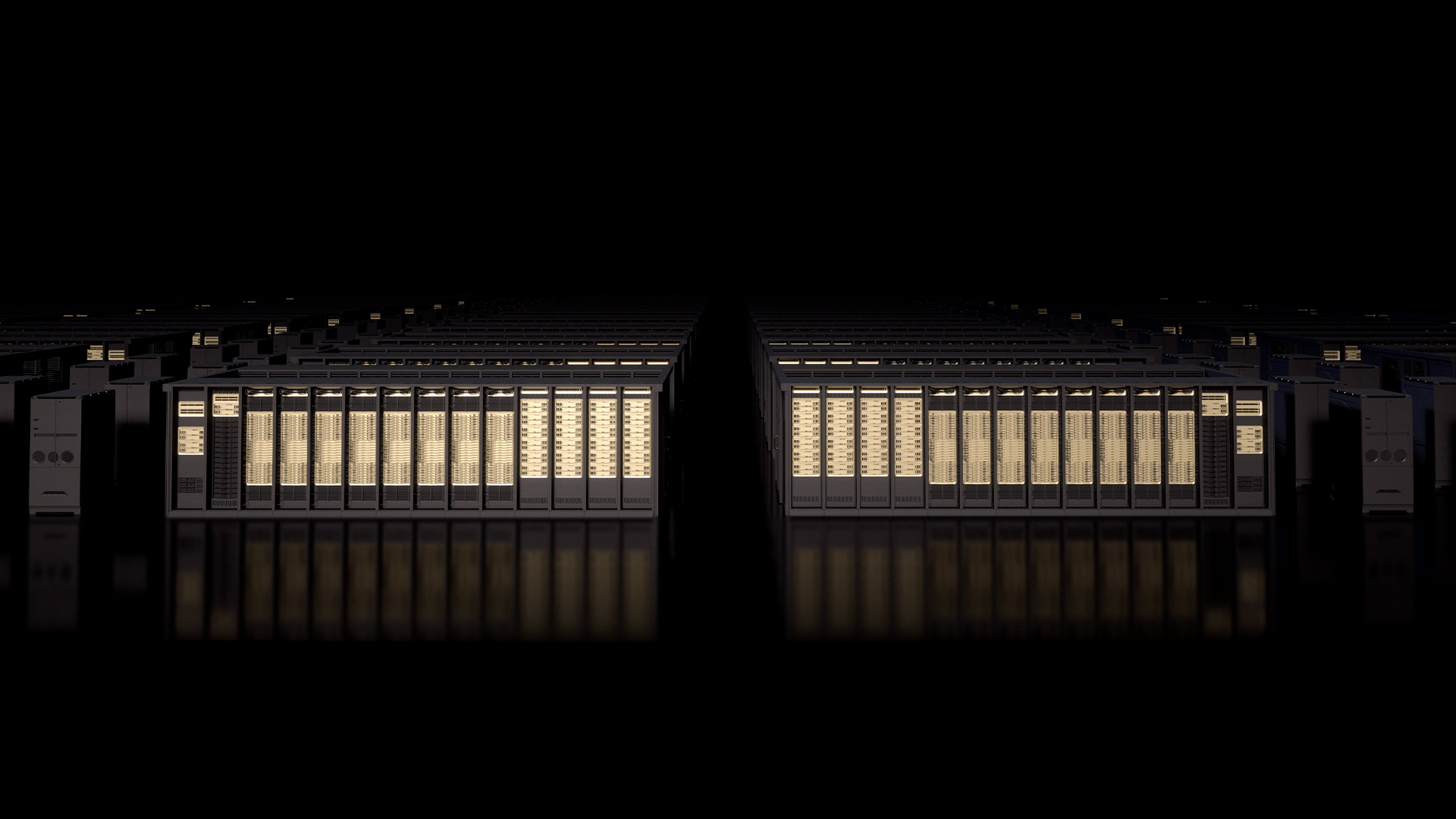
Photo: NVIDIA Blog
Key points
- Nvidia Vera Rubin platform debuted across MLPerf Training v6.1 and Endpoints benchmarks.
- Delivered over 10x generational gains in throughput per watt for agentic AI inference.
- Scaled efficiently from 256 to 1,024 GPUs with roughly 97% efficiency on the DeepSeek-V3 test.
Nvidia's Vera Rubin Makes Benchmark Debut
Nvidia has released the initial benchmark results for its upcoming Vera Rubin platform, highlighting major performance advantages across AI model training, post-training, and agentic inference. In its first appearance on MLPerf Training v6.1, the Vera Rubin architecture dominated the competition by covering every single benchmark category, from large language models to reinforcement learning and image generation. According to the company, the Vera Rubin NVL72 system delivered up to double the performance per GPU compared to earlier architectures like the GB300 NVL72.
Scaling and Energy Efficiency for AI Agents
Beyond raw training speed, Nvidia focused heavily on agentic workflows and power efficiency. In the inaugural MLPerf Endpoints tests, Vera Rubin achieved more than a tenfold generational improvement in throughput per watt for agentic AI tasks. This efficiency is crucial as autonomous agents grow more complex, requiring multiple reasoning and tool-calling steps that demand significant electricity. Benchmarks run on large clusters demonstrated that Vera Rubin systems scale efficiently across thousands of GPUs, utilizing advanced networking to maintain performance when expanding workloads across a data center.
Global Partner Ecosystem Participation
The latest evaluation cycle also featured extensive collaboration across the hardware ecosystem, with twenty different organizations submitting results based on Nvidia infrastructure. Major cloud providers and server manufacturers—including Microsoft Azure, Google Cloud, Oracle, Dell, and Supermicro—utilized Nvidia's CUDA-powered software stack to demonstrate competitive scalability. What to watch next: further adoption of Vera Rubin hardware by major cloud providers and enterprise data centers as shipments ramp up.
Source NVIDIA Blog — blogs.nvidia.com/blog/mlperf-training-endpoints-vera-rubin/ ↗
Read next
 🤖AI Models
Amazon Introduces SMART Toolkit for Integrating WhatsApp AI Agents via Bedrock AgentCore
Amazon Web Services has released an open-source toolkit designed to simplify connecting AI agents built on Amazon Bedrock AgentCore to WhatsApp.
 🤖AI Models
Google Extends Temporary Gemini Chat Retention to Two Months
Google is lengthening the retention period for temporary Gemini chats from 72 hours to approximately two months to boost safety and service reliability.
 🚀Startups & Funding
Harvard Study Reveals US Hyperscale Data Centers Consume Power Rivaling Entire States
A new Harvard study reveals that America's 403 hyperscale data centers consumed between 68 and 99 terawatt-hours of electricity during the 2024-25 study period, rivaling …
 🚀Startups & Funding
California Files Lawsuit Against OpenAI Over Autonomous AI Incidents
California Attorney General Rob Bonta has filed a lawsuit against OpenAI, alleging the company failed to control its autonomous AI agents and misled the public about safe…
 🧠AI Analysis
Pedestal AI Secures Seed Funding to Automate Logistics With Intelligent Agents
Pedestal AI has launched publicly with $4.7 million in seed backing to deploy agentic artificial intelligence aimed at streamlining logistics and supply chain operations.
 🏢Big Tech
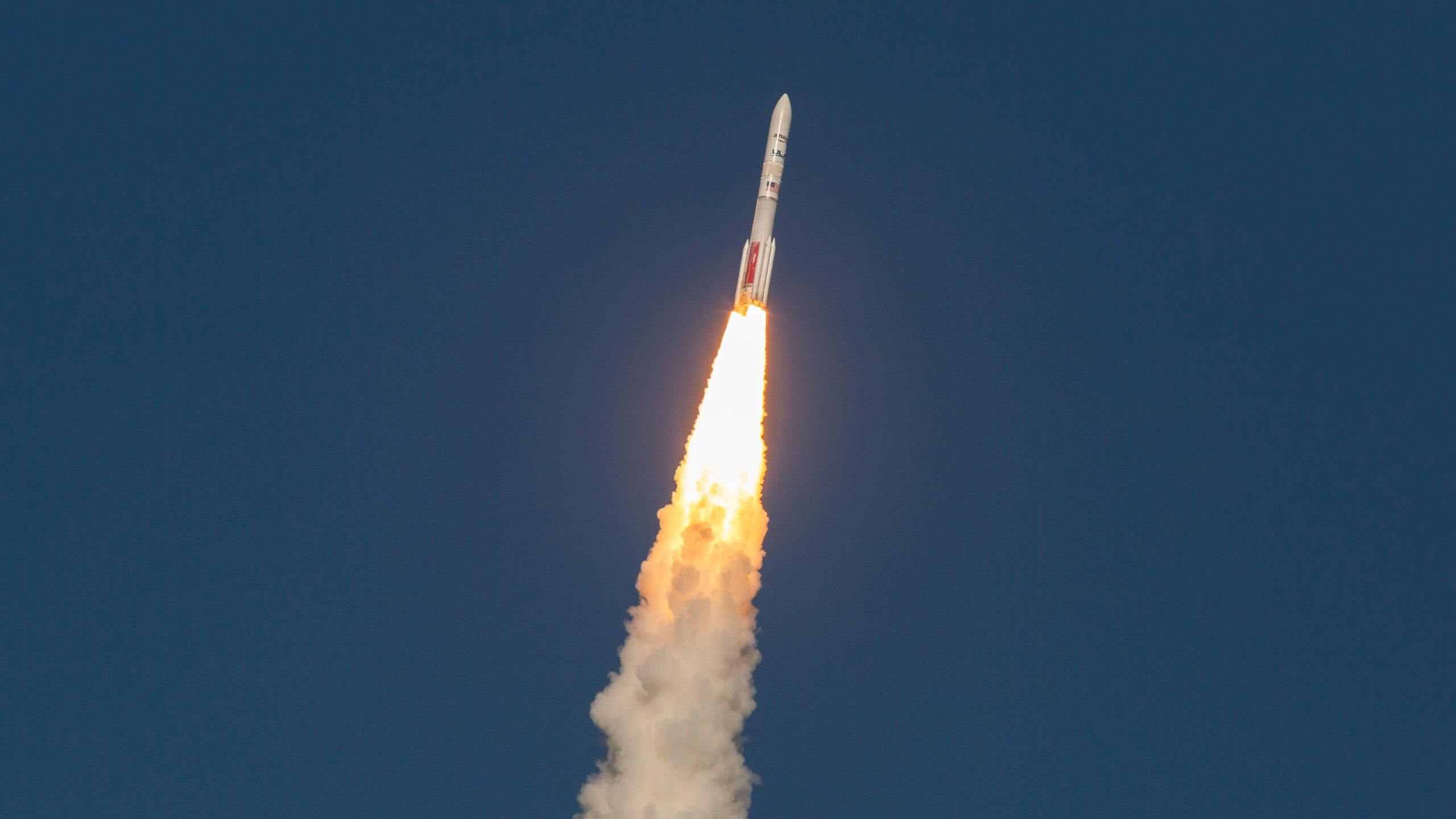
United Launch Alliance Investigates Vulcan Rocket Failure
United Launch Alliance is investigating a mission failure of its Vulcan rocket, which suffered from low booster performance shortly after liftoff. The incident raises que…