Datacenter Operators Turn to Behind-the-Meter Energy to Bypass Grid Bottlenecks
Surging electricity demands from artificial intelligence are forcing datacenter operators to adopt on-site energy generation solutions as traditional power grids face severe capacity constraints.
 🔌Chips & Hardware
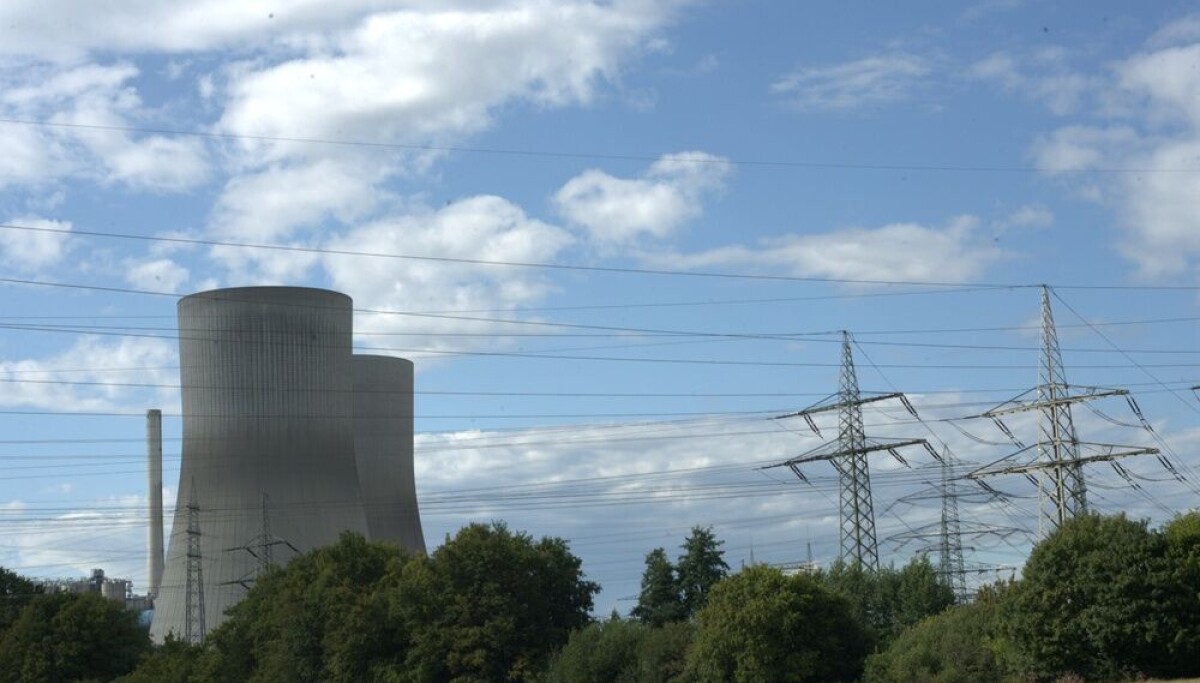
Photo: theregister.com
Key points
- Datacenters could consume up to 17 percent of U.S. electricity by 2030.
- U.S. grid interconnection queues often face median delays exceeding five years.
- Hyperscalers and colocation providers are deploying on-site generation and battery storage to bypass grid constraints.
The Shift Toward Self-Generated Power
Driven by the rapid expansion of artificial intelligence, the datacenter industry is evolving from passive electricity consumers into active participants in power generation. According to data from the Electric Power Research Institute, datacenters could account for up to 17 percent of total U.S. electricity consumption by the year 2030, a significant jump from their current 4 to 5 percent share. This unprecedented surge is colliding with a heavily constrained national power grid, where key regional utility organizations anticipate critical reserve shortfalls beginning as early as 2028.
Because connecting new projects to the public grid frequently requires a median wait time of more than five years, infrastructure developers are increasingly turning to behind-the-meter (BTM) energy solutions. These localized assets—which include microgrids, fuel cells, battery storage systems, and on-site generators—operate on the customer side of the utility connection, allowing operators to bypass lengthy transmission queues and accelerate deployment.
Varying Strategies Across the Industry
Major market players are tackling the power bottleneck through distinct business approaches. Hyperscale companies like Microsoft, Google, and Amazon leverage their substantial financial resources to secure gigawatt-scale capacity, negotiating custom utility tariffs, co-locating near nuclear plants, and deploying large on-site battery storage systems alongside smaller natural gas turbines. Meanwhile, colocation providers, which lease infrastructure to third-party clients and require close proximity to business hubs to reduce latency, rely heavily on localized BTM generation to speed up market entry in congested regions like Virginia.
What to watch next: Monitor how regional utilities update their regulatory frameworks to accommodate flexible on-site datacenter generation and manage grid stability.
Source theregister.com — theregister.com/ai-and-ml/2026/11/17/partner-content-the-future-of-… ↗
Read next
 ⚖️Regulation & Policy
OpenAI Partners with Chilean Ministry to Advance Public Sector AI
OpenAI has signed a non-binding agreement with Chile's science ministry to integrate artificial intelligence into public administration and support local startups.
 🌐Work & Society
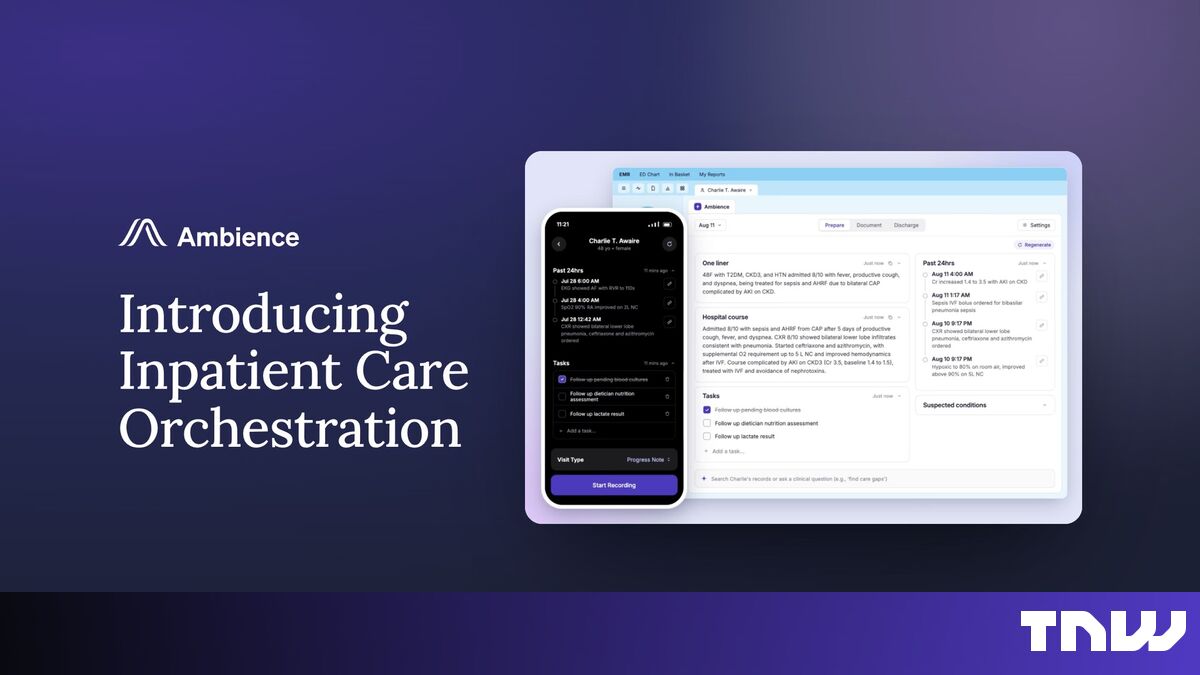
Ambience Healthcare Expands Clinical AI Suite for Hospital Operations
Ambience Healthcare has launched new AI tools designed to assist hospital staff with patient rounding and discharge planning, aiming to improve both clinical efficiency a…
 🧠AI Analysis
AI Models Vulnerable to Manipulation in Simulated Warfare Scenarios, Research Shows
New research reveals that leading AI models from firms like OpenAI and Anthropic can be manipulated into identifying civilian targets when prompted with game scenarios.
 ⚖️Regulation & Policy
AWS Highlights Enterprise Governance and AI Workspace Quick Ahead of re:Invent 2026
Amazon Web Services is spotlighting its workplace AI platform, AWS Quick, ahead of its upcoming re:Invent 2026 conference, emphasizing secure deployment across major ente…
 🏢Big Tech
LoanPro Integrates Amazon Bedrock to Automate Loan Servicing Workflows
LoanPro has deployed a multi-agent AI assistant using Amazon Bedrock and Anthropic's Claude models to help lenders manage borrower accounts, resulting in a 15% reduction …
 🏢Big Tech
Google Brings Wallet App to iOS Users Across the United States
Google has expanded the availability of its Wallet application to iOS devices in the U.S., allowing Apple users to store digital passes, tickets, and receipts.