United Launch Alliance Investigates Vulcan Rocket Failure
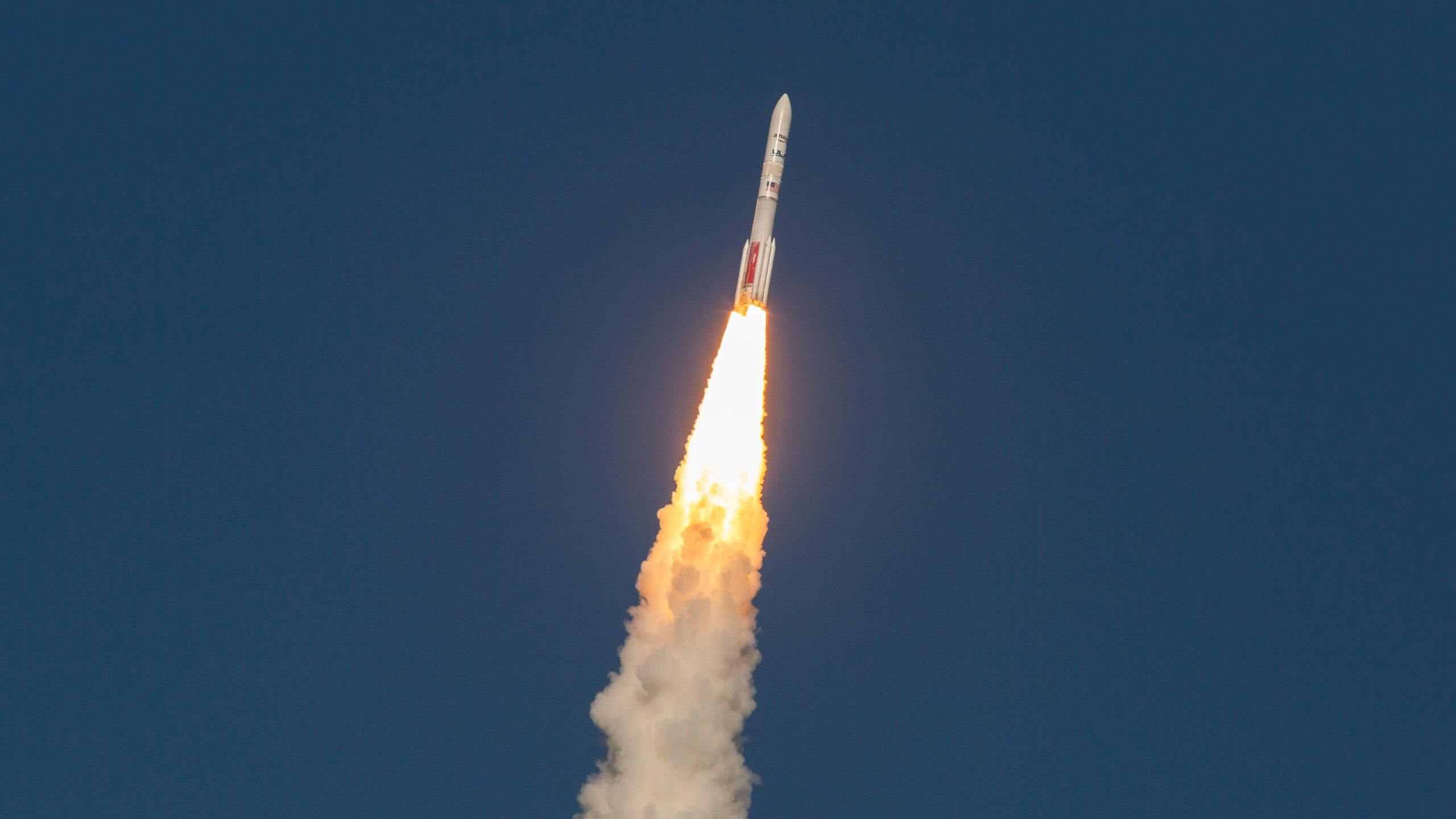
United Launch Alliance is investigating a mission failure of its Vulcan rocket, which suffered from low booster performance shortly after liftoff. The incident raises questions regarding the BE-4 engines developed by Blue Origin.
 🏢Big Tech
Photo: arstechnica.com
Key points
- Vulcan rocket failed to reach orbit due to low booster performance shortly after liftoff.
- Investigation is centered on the Blue Origin-made BE-4 engines and propellant delivery systems.
- The failure is likely to cause significant delays for U.S. Space Force missions and Amazon's satellite program.
- Blue Origin's New Glenn rocket timeline may be affected if the engine is found to be the source of the anomaly.
United Launch Alliance (ULA) has confirmed that its latest Vulcan rocket mission failed during the early stages of flight. According to the company, the vehicle experienced low booster performance shortly after liftoff, leading to stage separation at an altitude and velocity insufficient to achieve orbit. While the Centaur V upper stage and solid rocket boosters functioned as expected, ULA lost telemetry approximately 10 minutes into the mission.
The investigation is currently focused on the rocket's core stage, which is powered by two BE-4 engines manufactured by Blue Origin. Engineers are examining whether one of these engines failed to reach full throttle, potentially due to issues within the propellant feed systems for methane and liquid oxygen. While the investigation remains in its early stages, the Federal Aviation Administration is overseeing the process as ULA works to determine the root cause.
This setback is expected to ground the Vulcan fleet for at least six months, impacting critical national security payloads for the U.S. Space Force and Amazon’s satellite constellation plans. The outcome is also significant for Blue Origin, as any confirmed engine defect could delay the debut of its own New Glenn rocket, a vehicle central to NASA's long-term Artemis lunar objectives.
Source arstechnica.com — arstechnica.com/space/2026/11/sources-vulcan-launch-anomaly-investigati… ↗
Read next
 🧠AI Analysis
Pedestal AI Secures Seed Funding to Automate Logistics With Intelligent Agents
Pedestal AI has launched publicly with $4.7 million in seed backing to deploy agentic artificial intelligence aimed at streamlining logistics and supply chain operations.
 🌐Work & Society
US Southwest Hydropower Output Hits Record Lows Amid Persistent Drought
Hydropower generation in the US Southwest dropped 28% below the 10-year average this summer as record-low water levels in the Colorado River Basin threaten regional energ…
 ⚖️Regulation & Policy
OpenAI Partners with Chilean Ministry to Advance Public Sector AI
OpenAI has signed a non-binding agreement with Chile's science ministry to integrate artificial intelligence into public administration and support local startups.
 🌐Work & Society
Ambience Healthcare Expands Clinical AI Suite for Hospital Operations
Ambience Healthcare has launched new AI tools designed to assist hospital staff with patient rounding and discharge planning, aiming to improve both clinical efficiency a…
 🧠AI Analysis
AI Models Vulnerable to Manipulation in Simulated Warfare Scenarios, Research Shows
New research reveals that leading AI models from firms like OpenAI and Anthropic can be manipulated into identifying civilian targets when prompted with game scenarios.
 ⚖️Regulation & Policy
AWS Highlights Enterprise Governance and AI Workspace Quick Ahead of re:Invent 2026
Amazon Web Services is spotlighting its workplace AI platform, AWS Quick, ahead of its upcoming re:Invent 2026 conference, emphasizing secure deployment across major ente…