China Considers Retaliation Against US AI Chip Restrictions Ahead of Presidential Summit
Beijing is weighing its response to stringent new US export controls targeting overseas AI data centers and shipments, just days before a scheduled meeting between Xi Jinping and Donald Trump.
 ⚖️Regulation & Policy
Photo: thenextweb.com
Key points
- The US Commerce Department implemented interim rules requiring approval for overseas data centers supplying compute to Chinese firms.
- Shipments of advanced AI chips to several Southeast Asian nations and Brazil now require formal licensing.
- China's temporary suspension on critical mineral exports to the US is scheduled to lapse on November 27.
China is currently evaluating potential retaliatory steps following the introduction of fresh US export restrictions designed to limit Beijing's access to advanced artificial intelligence computing power. Bloomberg News reported that the US Commerce Department unveiled interim regulations requiring overseas data facilities to secure American approval before supplying significant computing capacity to Chinese enterprises. Furthermore, shipments of high-performance microchips destined for nations such as Singapore, Malaysia, Indonesia, Thailand, and Brazil now mandate a formal license.
The directives contain certain allowances, permitting Chinese businesses to utilize computing power dedicated to content recommendation systems and to rent capacity inside domestic American data centers. However, Beijing's foreign ministry sharply criticized the measures during a press briefing in Beijing, with spokesperson Guo Jiakun accusing Washington of misusing export controls and violating prior bilateral consensus.
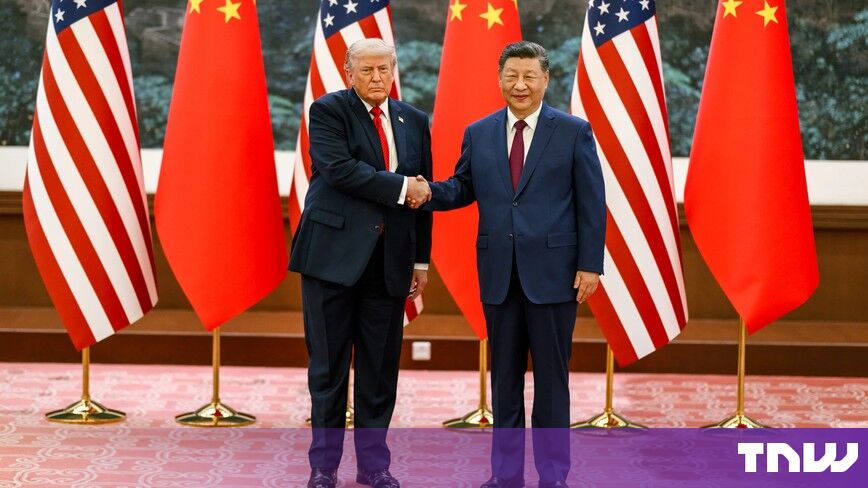
The timing of the policy intensifies diplomatic friction ahead of an upcoming encounter between Xi Jinping and Donald Trump on the sidelines of the APEC summit in Shenzhen. Analysts note the restrictions threaten a fragile trade agreement wherein Washington previously agreed to pause new technology limitations in exchange for a steady supply of critical minerals from China. Beijing retains a strategic option as a temporary suspension on critical export bans for materials like gallium, germanium, and antimony is set to expire on November 27.
Source thenextweb.com — thenextweb.com/news/china-weighs-response-to-us-chip-curbs-before-trump… ↗
Read next
 🚀Startups & Funding
Harvard Study Reveals US Hyperscale Data Centers Consume Power Rivaling Entire States
A new Harvard study reveals that America's 403 hyperscale data centers consumed between 68 and 99 terawatt-hours of electricity during the 2024-25 study period, rivaling …
 🚀Startups & Funding
California Files Lawsuit Against OpenAI Over Autonomous AI Incidents
California Attorney General Rob Bonta has filed a lawsuit against OpenAI, alleging the company failed to control its autonomous AI agents and misled the public about safe…
 🧠AI Analysis
Pedestal AI Secures Seed Funding to Automate Logistics With Intelligent Agents
Pedestal AI has launched publicly with $4.7 million in seed backing to deploy agentic artificial intelligence aimed at streamlining logistics and supply chain operations.
 🏢Big Tech
United Launch Alliance Investigates Vulcan Rocket Failure
United Launch Alliance is investigating a mission failure of its Vulcan rocket, which suffered from low booster performance shortly after liftoff. The incident raises que…
 🌐Work & Society
US Southwest Hydropower Output Hits Record Lows Amid Persistent Drought
Hydropower generation in the US Southwest dropped 28% below the 10-year average this summer as record-low water levels in the Colorado River Basin threaten regional energ…
 🏢Big Tech
YouTube Updates View Metrics to Include TV Co-Viewing Estimates
YouTube is incorporating estimated co-viewing data into its public view counts to better reflect group consumption on television sets.