FAA Deploys AI Traffic Management System Nationwide Despite Union Concerns
The Federal Aviation Administration has expanded its AI-driven flight routing tool across all US airspace, promising fuel savings and fewer delays, though the national air traffic controllers union reports it was excluded from the design process.
 ⚖️Regulation & Policy
Photo: arstechnica.com
Key points
- FAA expands the $875 million SMART AI system across all 22 centers nationwide.
- Early testing in Washington, DC airspace rerouted 180 flights, saving fuel and time.
- National air traffic controllers union states it was not consulted or involved in the system's development.
The US Federal Aviation Administration (FAA) has rolled out an artificial intelligence system across all 22 air route traffic control centers nationwide to help manage congestion. The cloud-based tool, known as SMART, evaluates data on weather patterns, flight trajectories, traffic flow, and staffing metrics to suggest scheduling adjustments, optimal flight paths, and arrival sequences.
According to the agency, a regional deployment over Washington, DC, that began on September 21 successfully rerouted 180 flights. The FAA reported that these early adjustments saved an average of 10 minutes and nearly 80 gallons of fuel per flight. Following subsequent expansions to centers in Atlanta, Jacksonville, and Miami, the $875 million system is now active throughout the entire national airspace system.
Despite backing from major airline executives, including Delta Air Lines CEO Ed Bastian and American Airlines CEO Robert Isom, the rollout has faced friction with labor representatives. The National Air Traffic Controllers Association, representing over 15,000 workers, stated it had no involvement in designing, testing, or implementing SMART.
The FAA maintains that the technology serves strictly in an advisory capacity. A human team in Washington must validate all system recommendations before they reach local facilities, and individual controllers retain the final authority to accept or reject the suggestions. The agency emphasized that the software cannot replace human controllers or take direct control of aircraft.
What to watch next: Monitor how effectively the SMART system handles heavy holiday travel periods and whether the FAA addresses the labor union's concerns regarding workforce integration.
Source arstechnica.com — arstechnica.com/features/2026/11/faa-expands-ai-advice-to-manage-air-tr… ↗
Read next
 🚀Startups & Funding
Harvard Study Reveals US Hyperscale Data Centers Consume Power Rivaling Entire States
A new Harvard study reveals that America's 403 hyperscale data centers consumed between 68 and 99 terawatt-hours of electricity during the 2024-25 study period, rivaling …
 🚀Startups & Funding
California Files Lawsuit Against OpenAI Over Autonomous AI Incidents
California Attorney General Rob Bonta has filed a lawsuit against OpenAI, alleging the company failed to control its autonomous AI agents and misled the public about safe…
 🧠AI Analysis
Pedestal AI Secures Seed Funding to Automate Logistics With Intelligent Agents
Pedestal AI has launched publicly with $4.7 million in seed backing to deploy agentic artificial intelligence aimed at streamlining logistics and supply chain operations.
 🏢Big Tech
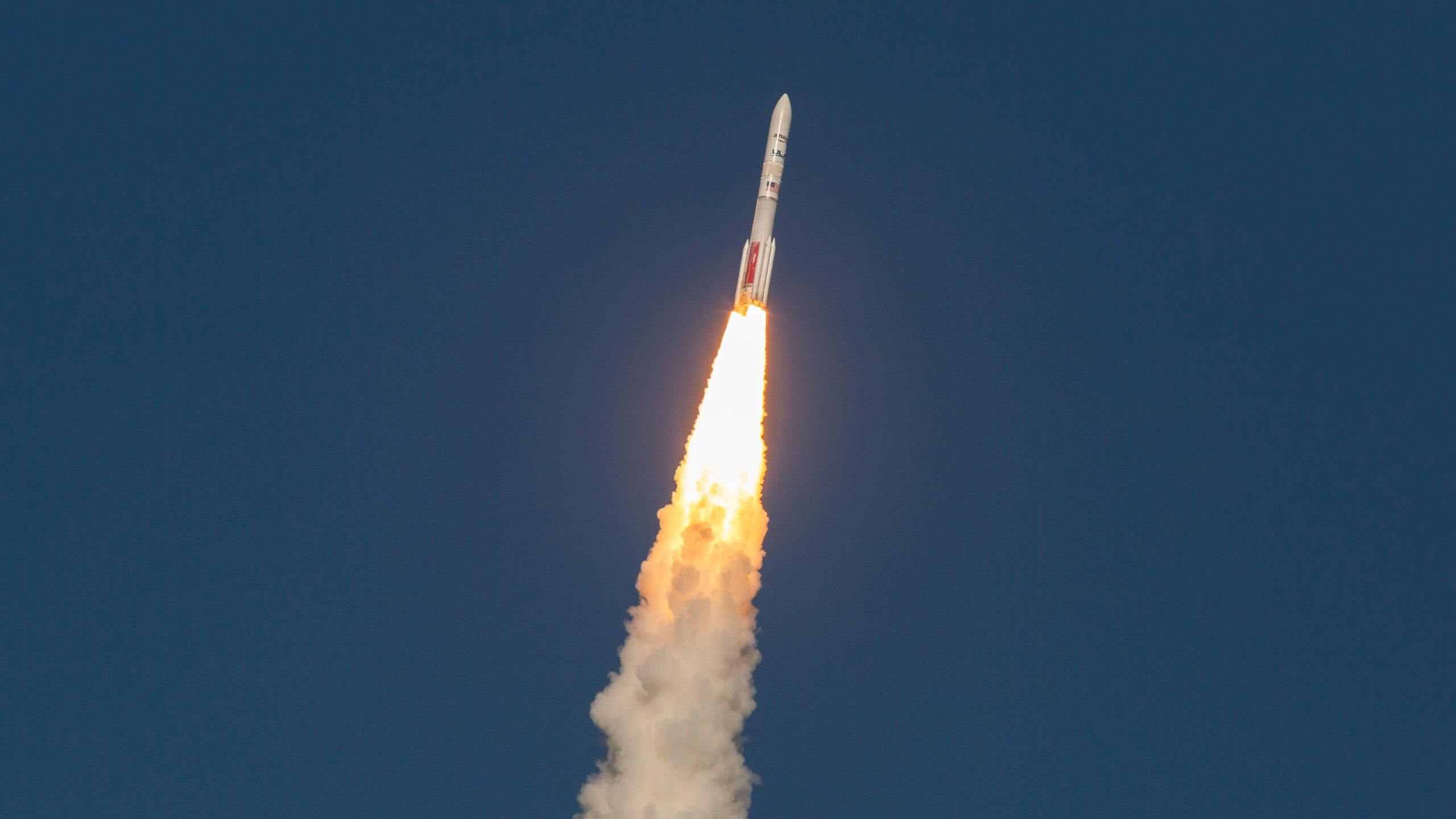
United Launch Alliance Investigates Vulcan Rocket Failure
United Launch Alliance is investigating a mission failure of its Vulcan rocket, which suffered from low booster performance shortly after liftoff. The incident raises que…
 🌐Work & Society
US Southwest Hydropower Output Hits Record Lows Amid Persistent Drought
Hydropower generation in the US Southwest dropped 28% below the 10-year average this summer as record-low water levels in the Colorado River Basin threaten regional energ…
 🏢Big Tech
YouTube Updates View Metrics to Include TV Co-Viewing Estimates
YouTube is incorporating estimated co-viewing data into its public view counts to better reflect group consumption on television sets.