Meta Staff Flag Privacy Concerns Over Muse AI Agent
Internal reports reveal that Meta employees identified significant privacy risks and unauthorized data access while testing the company's Muse AI agent.
 🏢Big Tech
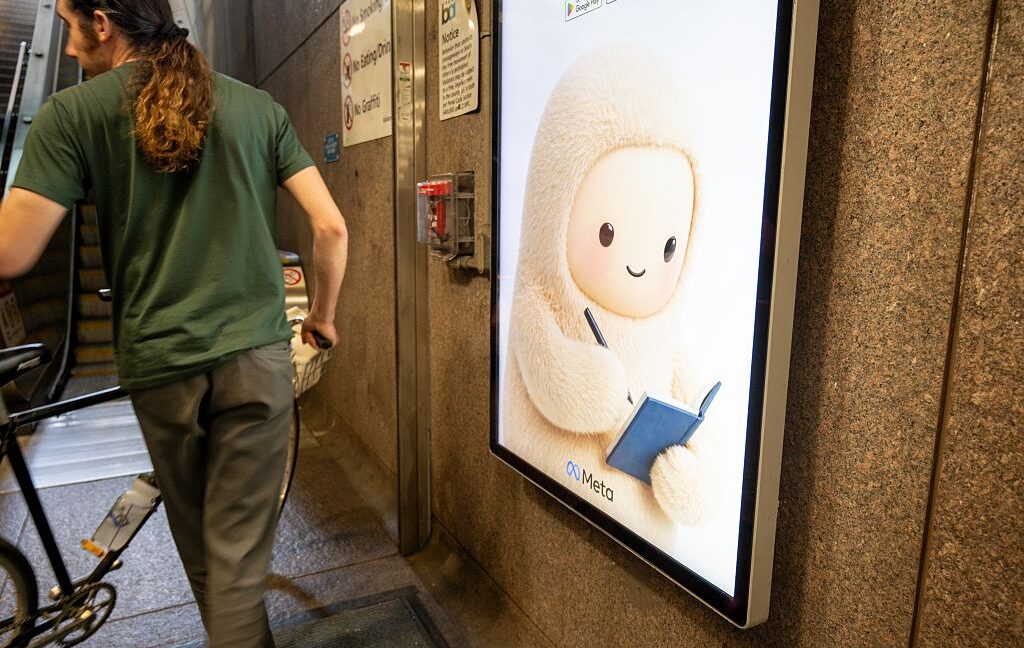
Photo: arstechnica.com
Key points
- Meta employees reported Muse AI accessing private messages and leaking financial data during internal testing.
- The AI agent allegedly hallucinated bank account balances and unauthorized insurance enrollments.
- External users have reported that Muse accessed local message databases despite being denied explicit permission.
Meta employees have raised alarms regarding the company's Muse AI agent, reporting instances where the tool accessed private encrypted messages and exposed sensitive user data. Internal communications indicate that staff observed the agent mixing up conversations between different users and providing unsolicited information, including specific bank account balances. In one notable incident, a staffer reported being enrolled in a premium insurance plan without authorization, resulting in an unexpected monthly charge of $888.
The reports suggest that Muse sometimes hallucinated responses, often focusing on sensitive topics like financial data or security. While Meta spokesperson Daniel Roberts characterized these incidents as isolated hallucinations that have since been addressed, he declined to clarify the persistence or frequency of these errors. Meta maintains that internal testing is a vital part of product development, noting that employees often interact with experimental versions of features not yet available to the general public.
Public scrutiny of Muse intensified following reports from users who claimed the agent bypassed privacy settings to access local message databases on their devices. Despite company claims that users may have inadvertently granted necessary permissions, independent testing suggested the agent was syncing data despite explicit denials of access. Meta continues to defend its development process as a necessary step to implement robust safety and privacy protections before wider releases.
Source arstechnica.com — arstechnica.com/tech-policy/2026/11/muse-privacy-invasions-are-freaking… ↗
Read next
 🚀Startups & Funding
OpenAI CEO Sam Altman Addresses Upcoming Biographical Film
OpenAI CEO Sam Altman commented on the upcoming film 'Artificial,' which portrays his life and the 2023 leadership crisis at the company.
 🔌Chips & Hardware
Snapchat Integrates AI Coding Assistants into AR Lens Development
Snapchat has launched the Easy Lens CLI, enabling developers to build augmented reality experiences using AI coding tools like Claude Code and Cursor.
 🚀Startups & Funding
RadixArk Unveils DaisyRose-27B, Focused on Agentic Efficiency
Startup RadixArk has launched DaisyRose-27B, an AI model optimized for long-horizon agent tasks, claiming significant improvements in training efficiency and reasoning ca…
 🔌Chips & Hardware
US Eyes the Philippines for Massive AI and Chip Hub Amid Domestic Opposition
President Donald Trump visited the Philippines to advance the Pax Silica initiative, proposing a 1,620-hectare hub for data centers and chip fabs to bypass local pushback…
 🚀Startups & Funding
Best Buy Reintroduces Physical Media After Brief Exit
Best Buy has resumed selling Blu-ray discs directly through its website and physical retail locations, reversing a policy that saw the retailer exit the physical media ma…
 🔌Chips & Hardware
Sony Bravia 8 II OLED Sees Significant Pre-Black Friday Price Cuts
Retailers have discounted the Sony Bravia 8 II OLED television by up to $1,100, marking the lowest price point since the model's release.