Some OLED MacBook Pro Users Report Physical Discomfort Tied to Screen Dimming
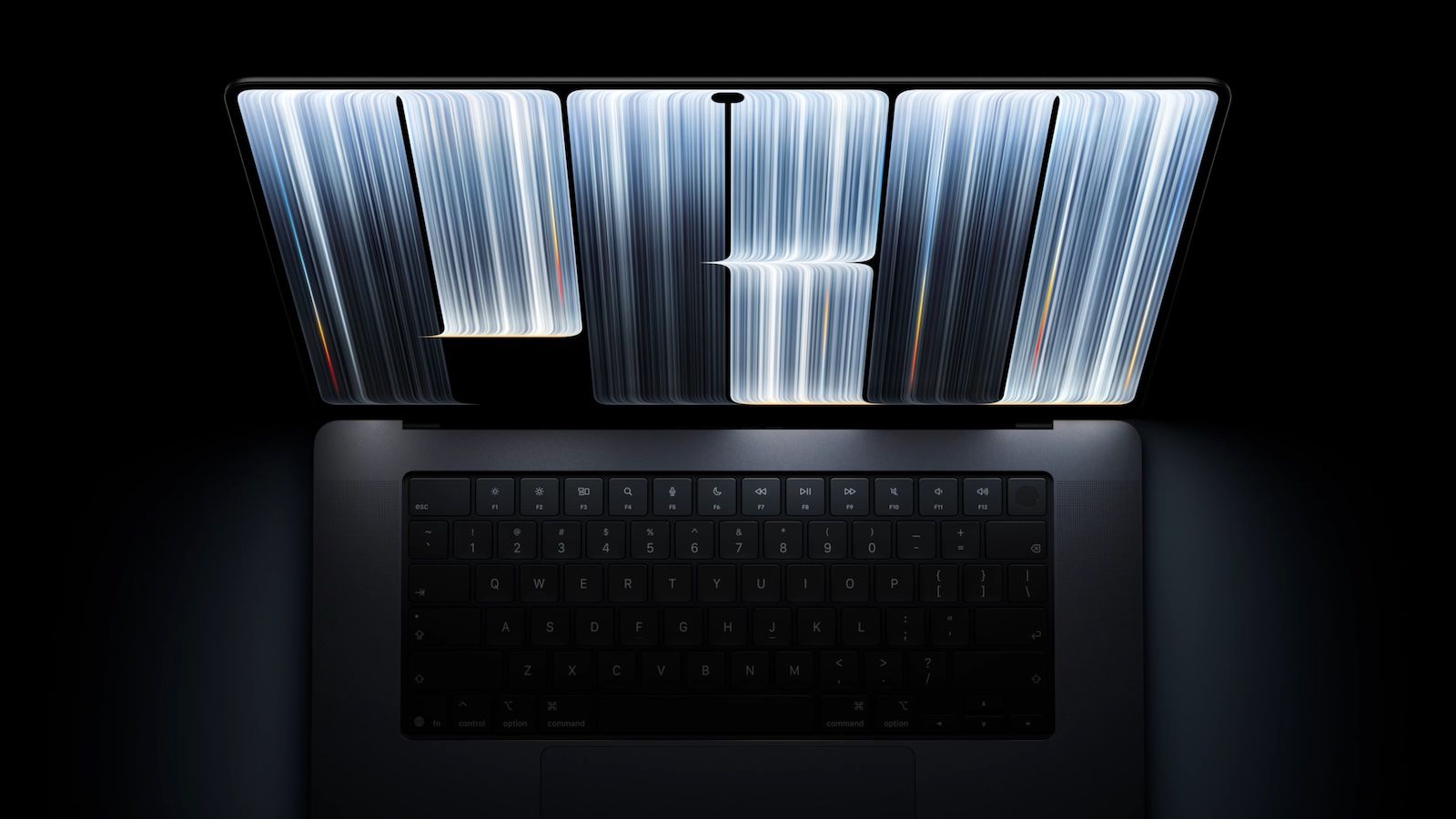
Apple's newly released MacBook Pro models featuring PROLED XDR displays have triggered complaints of headaches, eye strain, and dizziness among certain users.
 🏢Big Tech
Photo: Hacker News Front Page
Key points
- MacBook Pro users report headaches and dizziness linked to new PROLED displays.
- Testing revealed a 240Hz PWM flickering frequency at reduced brightness levels.
- macOS lacks the pulse-smoothing accessibility feature currently available on iPhones.
A growing number of customers using Apple's latest MacBook Pro laptops equipped with PROLED XDR displays have reported experiencing physical discomfort, including headaches, eye strain, and dizziness. Discussions detailing these symptoms have surfaced across platforms like Reddit, X, and the MacRumors forums following the market rollout earlier this month. Affected individuals point to the laptop's brightness-control mechanism as the primary suspect behind the adverse reactions.
The suspected culprit is pulse width modulation (PWM), a technique where the display rapidly cycles between brighter and darker states to adjust perceived brightness. While the flickering is too fast to notice visually, sensitive individuals can experience neurological symptoms. Testing by Notebookcheck revealed that the 14-inch PROLED MacBook Pro exhibits a 240Hz flickering rate with a 56% amplitude whenever brightness is set below maximum. In comparison, older mini-LED MacBook Pro models operate at a much higher frequency of 14,880Hz, which is far less likely to provoke discomfort.
While Apple includes a Display Pulse Smoothing accessibility setting on certain iPhones to alter dimming behavior, macOS currently lacks an equivalent option. Prices for the OLED MacBook Pro start at $2,899 for the 14-inch variant and $3,399 for the 16-inch version, while Apple continues to offer mini-LED alternatives. What to watch next: Whether Apple introduces a software toggle in a future macOS update to mitigate PWM sensitivity for affected users.
Source Hacker News Front Page — macrumors.com/2026/11/16/oled-macbook-pro-owners-report-eye-strain/ ↗
Read next
 🤖AI Models
Google Expands Interactive World-Building with Genie 4 Launch
Google has released its latest world-generation model, Genie 4, to premium AI Ultra subscribers, introducing real-time environment modification and audio integration.
 🧠AI Analysis
Salesforce Optimizes Global AI Model Inference with Amazon SageMaker
Salesforce has implemented cross-Region inference routing in Amazon SageMaker to manage AI model capacity across 30+ global regions more efficiently.
 🚀Startups & Funding
OpenAI CEO Sam Altman Addresses Upcoming Biographical Film
OpenAI CEO Sam Altman commented on the upcoming film 'Artificial,' which portrays his life and the 2023 leadership crisis at the company.
 🌐Work & Society
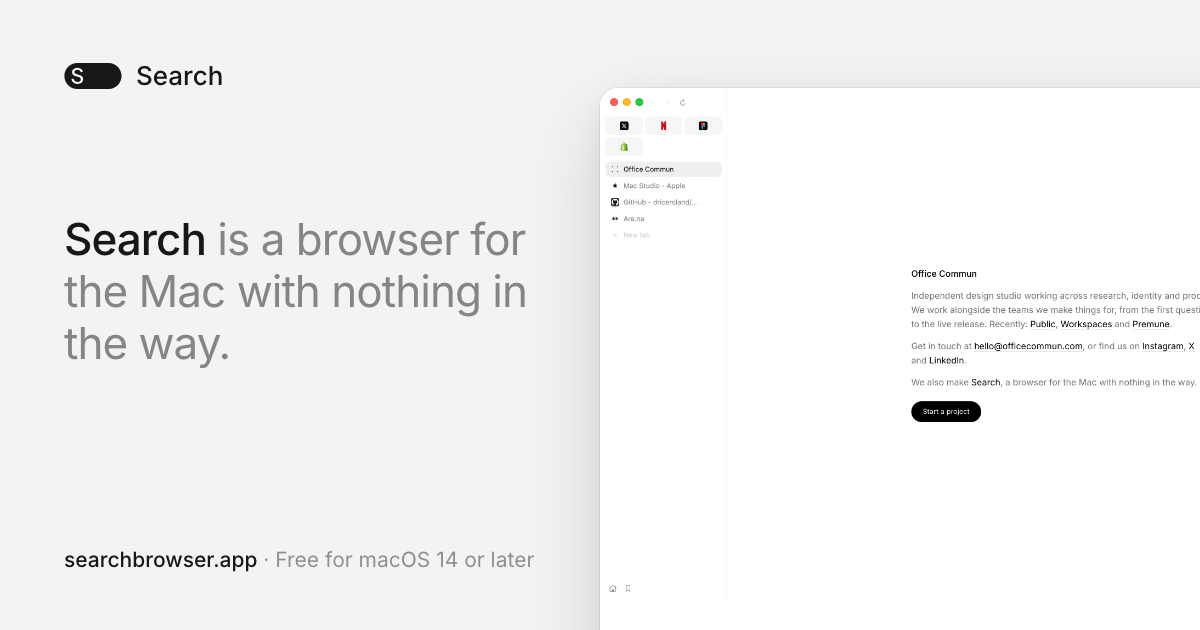
Design Studio Office Commun Launches Minimalist WebKit Browser for macOS
Paris-based design studio Office Commun has released Search, a lightweight, open-source web browser for macOS that prioritizes performance and minimalist design.
 🔌Chips & Hardware
Snapchat Integrates AI Coding Assistants into AR Lens Development
Snapchat has launched the Easy Lens CLI, enabling developers to build augmented reality experiences using AI coding tools like Claude Code and Cursor.
 🚀Startups & Funding
RadixArk Unveils DaisyRose-27B, Focused on Agentic Efficiency
Startup RadixArk has launched DaisyRose-27B, an AI model optimized for long-horizon agent tasks, claiming significant improvements in training efficiency and reasoning ca…