Amazon Details Native Tools for Tracking and Capping Bedrock AI Spending
Amazon Web Services has outlined a native approach for organizations to monitor and restrict generative AI expenditures per user on Amazon Bedrock without custom code.
 🏢Big Tech
Photo: AWS Machine Learning Blog
Key points
- AWS introduced a native method to track and limit Amazon Bedrock spending per identity without custom code.
- The solution combines automated IAM principal attribution, AWS Cost Explorer or CUR 2.0 reporting, and AWS Budgets enforcement.
- Organizations can use principal tags or dynamic session tags to allocate costs across dedicated or shared user roles.
As companies scale their adoption of generative AI, financial leaders and technology chiefs increasingly demand clear visibility into costs associated with specific teams and individuals, alongside mechanisms to cap usage. Addressing this need, Amazon Web Services published guidance detailing how organizations can track and enforce spending limits on Amazon Bedrock using built-in platform features rather than custom-built applications.
The method relies on three core components: automated identity attribution, reporting via cost management tools, and automated enforcement. Amazon Bedrock automatically logs the specific IAM principal or role used for every inference request. By utilizing principal tags for dedicated roles or session tags for shared environments, companies can differentiate between individual users and systems.
Once tags are activated in the AWS billing console, administrators can analyze expenses using AWS Cost Explorer or AWS Cost and Usage Reports 2.0. To control expenses, organizations can configure AWS Budgets to monitor specific identities or tags and automatically apply restrictive IAM policies when spending thresholds are breached.
What to watch next: Monitor whether enterprise adoption of native AWS billing controls simplifies internal chargebacks for generative AI initiatives.
Read next
 🧠AI Analysis
Google Integrates Gemini 4 Hydrogen Into Search for Faster, Complex Queries
Google has rolled out its new Gemini 4 Hydrogen model to Search globally, promising significantly faster processing and better handling of multi-part questions.
 🧠AI Analysis
Nectar Unveils AI Agent to Automate Influencer Marketing and Outreach
Marketing platform Nectar has launched a new AI agent designed to automate creator discovery, outreach, and campaign tracking for brands.
 🧠AI Analysis
Nvidia CEO Jensen Huang Admits Affair With Woman Identified by US Intelligence as Chinese Operative
Nvidia CEO Jensen Huang has admitted to an affair with Alice Huang, a businesswoman identified by US intelligence as a recruit of China's Ministry of State Security. The …
 🧠AI Analysis
Evaluating Cost per Task and ROI for AI Agents on Amazon Bedrock
AWS outlines a framework for assessing true AI agent expenses and return on investment beyond basic token pricing on Amazon Bedrock.
 🧠AI Analysis
AWS Details Architecture for Self-Service LLM Gateways
Amazon has published a technical guide on deploying a centralized LLM gateway using LiteLLM and Amazon Bedrock to streamline developer access to foundation models.
 🧠AI Analysis
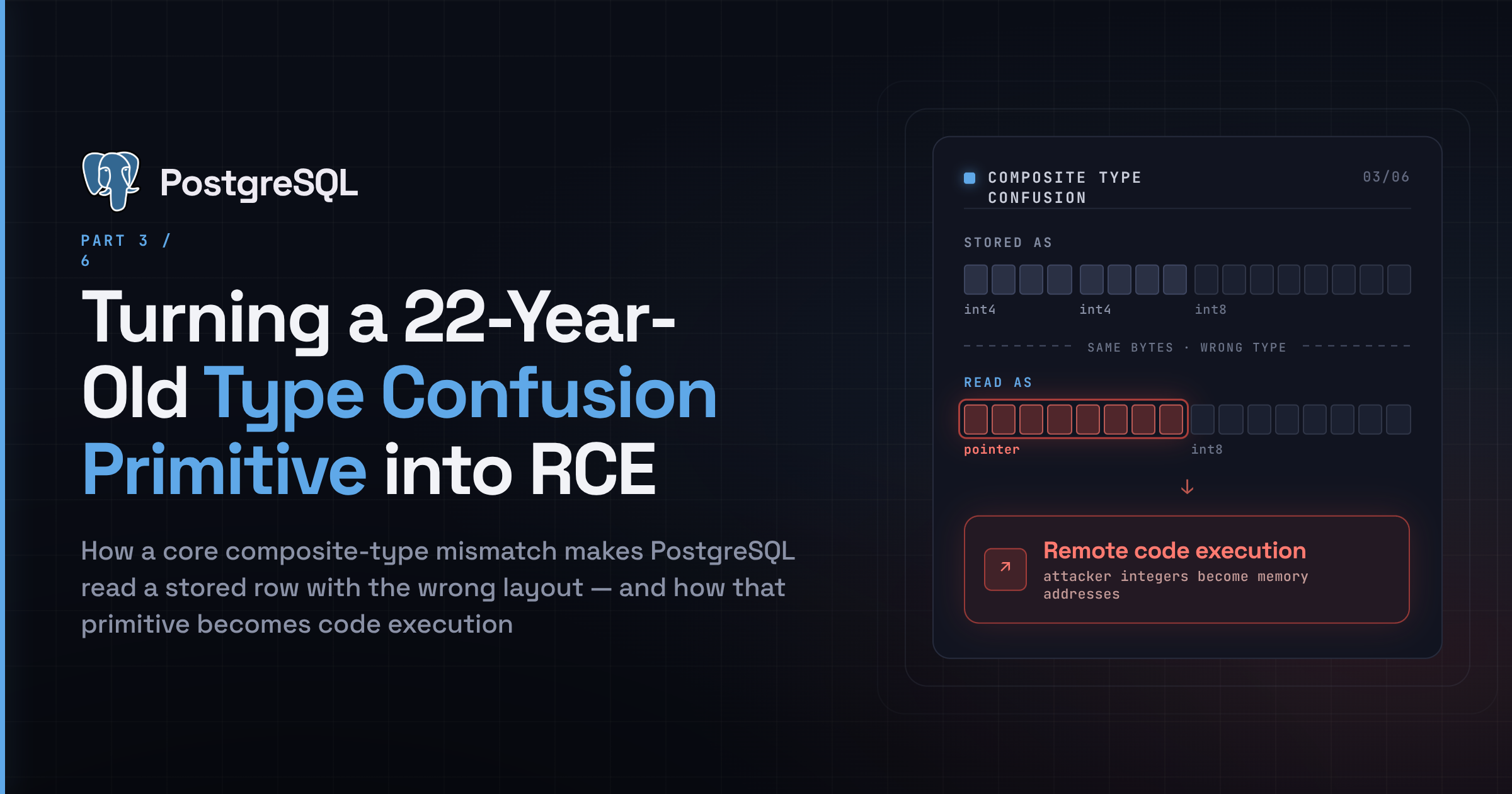
Security Researcher Uncovers 22-Year-Old PostgreSQL Core Vulnerability Using AI
A security researcher has uncovered a 22-year-old zero-day type-confusion vulnerability in PostgreSQL core, turning a data conversion inquiry into a reliable memory-corru…