US Targets Overseas Data Centers in Sweeping Crackdown on Chinese AI Chip Access
The US Commerce Department is closing loopholes that allow foreign adversaries to remotely rent high-end American AI chips through third-country data centers.
 🧠AI Analysis
Photo: arstechnica.com
Key points
- Commerce Department targets remote access to advanced chips via third-country data centers
- New rules require strict licensing and monthly due diligence reports for high-risk jurisdictions
- Policy rollout follows heightened national security concerns over military and intelligence AI applications
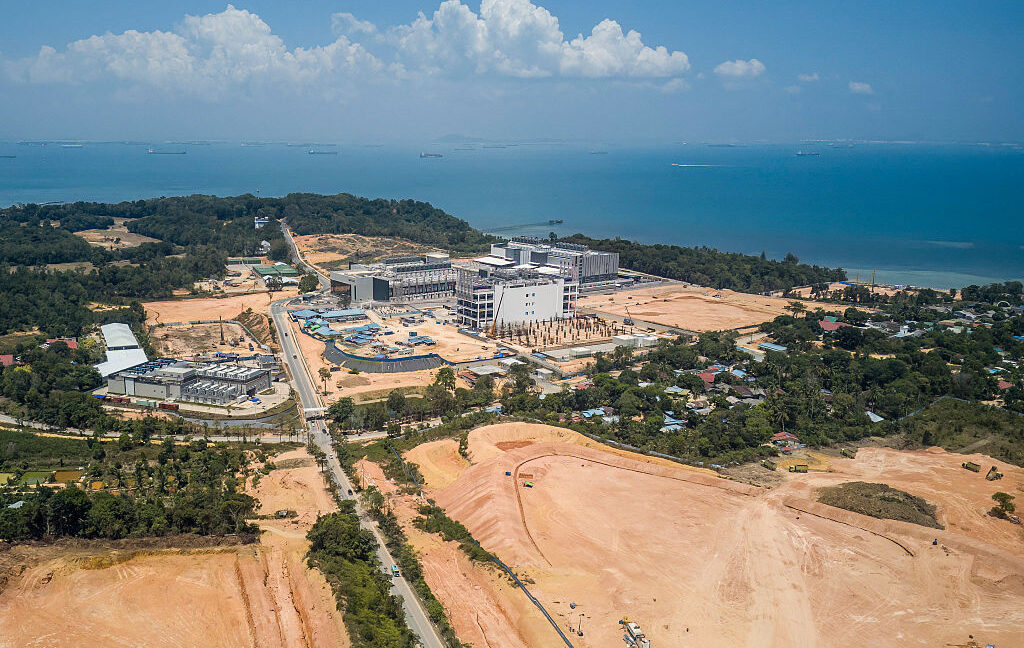
The Trump administration is advancing new export restrictions designed to block China, Russia, and Iran from utilizing foreign data centers to remotely access restricted high-end processors essential for training artificial intelligence. According to the Commerce Department, the updated regulatory framework targets a loophole where rivals bypassed export curbs by leasing computing power from facilities located in nations such as Singapore, Malaysia, Indonesia, Thailand, and Brazil.
US officials argue that remote computing access enables adversaries to develop sophisticated models capable of supporting military and intelligence operations, including weapons development, advanced cyber-espionage, and weaponized disinformation. Under the upcoming rule change, which takes effect 90 days after publication in the Federal Register, companies operating in high-risk jurisdictions must secure US government licenses and implement rigorous know-your-customer protocols before handling large volumes of advanced chips.
The policy shift follows recent congressional scrutiny regarding data center operations and supply chain security involving major chipmakers. While the Commerce Department carved out an exception for computing power dedicated strictly to commercial recommender systems, firms facilitating high-volume transactions must now submit detailed monthly compliance reports or face severe penalties, including entity-list designations and import restrictions.
What to watch next
- Implementation and enforcement timelines following publication in the Federal Register
- Compliance adjustments by data center operators across Southeast Asia and Latin America
- Potential diplomatic friction between the US and host nations regarding extraterritorial export controls
Source arstechnica.com — arstechnica.com/tech-policy/2026/11/us-moves-to-cut-chinas-remote-acces… ↗
Read next
 🏢Big Tech
United Launch Alliance Investigates Vulcan Rocket Failure
United Launch Alliance is investigating a mission failure of its Vulcan rocket, which suffered from low booster performance shortly after liftoff. The incident raises que…
 🌐Work & Society
US Southwest Hydropower Output Hits Record Lows Amid Persistent Drought
Hydropower generation in the US Southwest dropped 28% below the 10-year average this summer as record-low water levels in the Colorado River Basin threaten regional energ…
 🏢Big Tech
YouTube Updates View Metrics to Include TV Co-Viewing Estimates
YouTube is incorporating estimated co-viewing data into its public view counts to better reflect group consumption on television sets.
 🏢Big Tech
Apple Services Experience Widespread Outage
Apple users are reporting significant disruptions across iCloud, the App Store, and other core services, despite initial discrepancies in the company's status reporting.
 ⚖️Regulation & Policy
OpenAI Partners with Chilean Ministry to Advance Public Sector AI
OpenAI has signed a non-binding agreement with Chile's science ministry to integrate artificial intelligence into public administration and support local startups.
 🌐Work & Society
Ambience Healthcare Expands Clinical AI Suite for Hospital Operations
Ambience Healthcare has launched new AI tools designed to assist hospital staff with patient rounding and discharge planning, aiming to improve both clinical efficiency a…