US Restricts Remote Access to AI Chips via Overseas Data Centers
The US Commerce Department has introduced new licensing requirements to stop Chinese companies from renting advanced American AI chips through third-country data centers.
 🧠AI Analysis
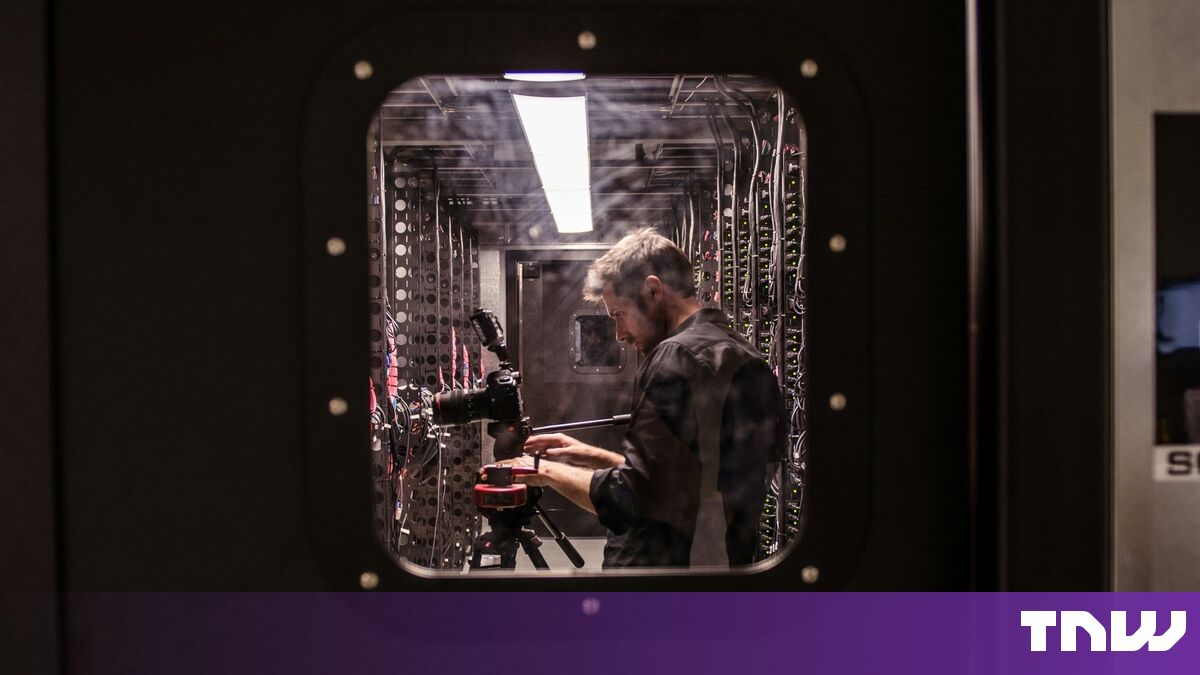
Photo: thenextweb.com
Key points
- The US Commerce Department introduced licence requirements for global data centers providing Chinese entities with AI computing capacity above 12 million aggregate TPP units.
- Export licence mandates were extended to Indonesia, Malaysia, Singapore, Thailand, and Brazil over concerns regarding hardware diversion.
- Semiconductor stocks dropped following the announcement, with analysts warning of major disruptions to Southeast Asian data center development.
The US Commerce Department's Bureau of Industry and Security has issued an interim final rule requiring operators of foreign data centers to obtain a licence before serving companies headquartered in China, Macau, or other countries in the US D:5 group. Developed alongside the Treasury Department and the National Security Council, the mandate applies to facilities providing access to computing power exceeding 12 million units of aggregate total processing performance, with existing providers given 90 days to comply.
The regulation aims to close indirect access routes used by foreign entities to utilize high-performance computing power without purchasing hardware directly. In addition to cloud rental restrictions, the rule requires exporters to secure licences to send advanced chips to five nations identified as having elevated diversion risks: Indonesia, Malaysia, Singapore, Thailand, and Brazil. US-headquartered firms are exempt from the regional export licensing requirement if they submit monthly reports, and online recommendation engines for e-commerce and social media are excluded.
The policy formally replaces the unenforced AI Diffusion Rule from the Biden administration and imposes stricter checks on chip foundries and packaging firms. The controls could disrupt tech infrastructure investments across Southeast Asia, with Joshua Kurlantzick, a senior fellow at the Council on Foreign Relations, telling Fortune that the impact on Malaysia could be disastrous. Markets reacted promptly to the rule change, with Nvidia shares falling up to 2.9 percent and the Philadelphia Semiconductor Index dropping as much as 5.5 percent, according to Bloomberg data.
What to watch next: The public will have 60 days to submit comments after the interim rule is published in the Federal Register, while US President Donald Trump is scheduled to meet Chinese President Xi Jinping in Shenzhen on Thursday.
Source thenextweb.com — thenextweb.com/news/us-remote-access-ai-chips-rule-china-singapore-mala… ↗
Read next
 🏢Big Tech
United Launch Alliance Investigates Vulcan Rocket Failure
United Launch Alliance is investigating a mission failure of its Vulcan rocket, which suffered from low booster performance shortly after liftoff. The incident raises que…
 🌐Work & Society
US Southwest Hydropower Output Hits Record Lows Amid Persistent Drought
Hydropower generation in the US Southwest dropped 28% below the 10-year average this summer as record-low water levels in the Colorado River Basin threaten regional energ…
 🏢Big Tech
YouTube Updates View Metrics to Include TV Co-Viewing Estimates
YouTube is incorporating estimated co-viewing data into its public view counts to better reflect group consumption on television sets.
 🏢Big Tech
Apple Services Experience Widespread Outage
Apple users are reporting significant disruptions across iCloud, the App Store, and other core services, despite initial discrepancies in the company's status reporting.
 ⚖️Regulation & Policy
OpenAI Partners with Chilean Ministry to Advance Public Sector AI
OpenAI has signed a non-binding agreement with Chile's science ministry to integrate artificial intelligence into public administration and support local startups.
 🌐Work & Society
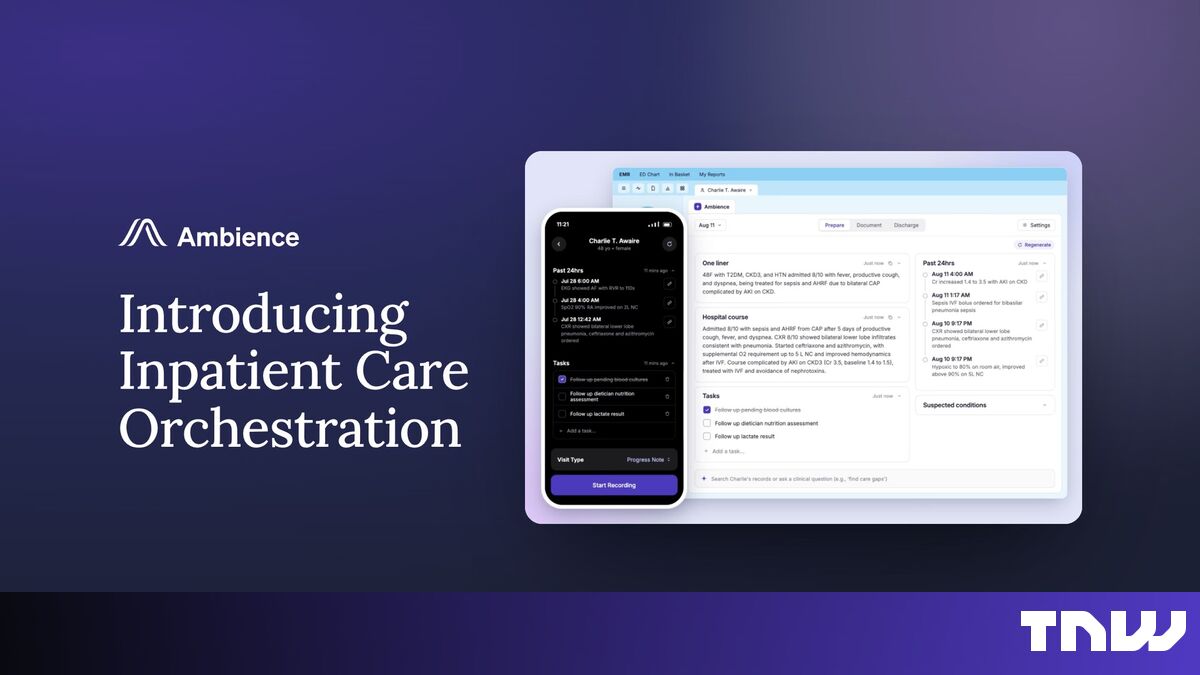
Ambience Healthcare Expands Clinical AI Suite for Hospital Operations
Ambience Healthcare has launched new AI tools designed to assist hospital staff with patient rounding and discharge planning, aiming to improve both clinical efficiency a…