How Modern Warfare and AI-Driven Sensors are Redefining Battlefield Tactics
British military analyst Jack Watling argues in The Arms of the Future that ubiquitous sensors, precision munitions, and long-range weapons have upended traditional military doctrines, forcing a fundamental rethink of how armies fight and maneuver.
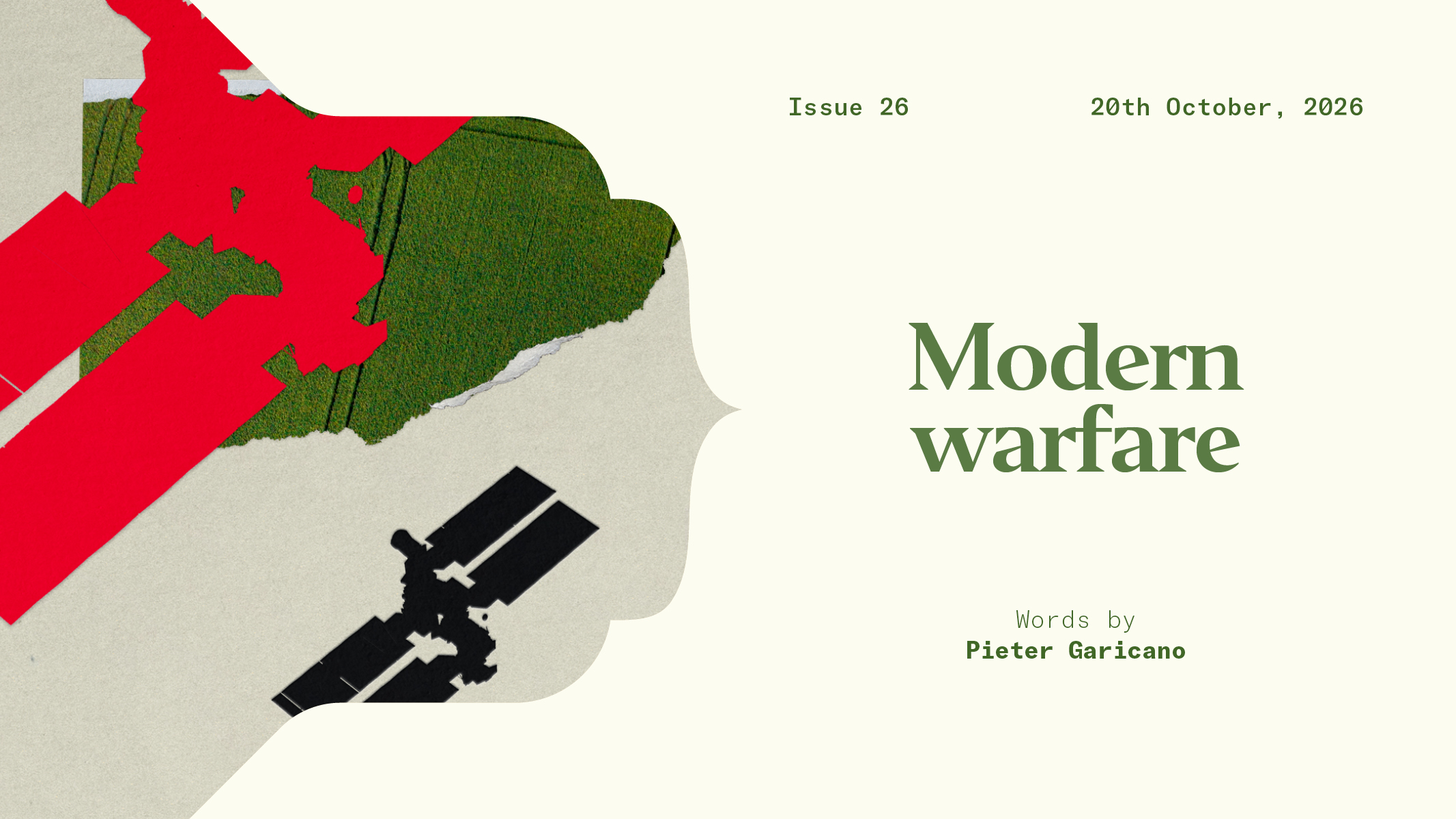 🧠AI Analysis
Photo: Hacker News Front Page
Key points
- Pervasive sensors and precision munitions make traditional military concentration nearly impossible.
- The countryside has become a high-risk zone, pushing soldiers to entrench deeply or retreat into urban environments.
- Jack Watling's doctrine advocates for targeting enemy sensors to restore temporary windows of mobility and tactical surprise.
Military analyst Jack Watling published The Arms of the Future in 2023, outlining how technological advancements have dismantled historical military tactics. According to Watling, modern warfare is fundamentally shaped by three evolving factors: the pervasive reach of battlefield sensors, the extended range of modern weapons, and the pinpoint precision of contemporary munitions. These developments render traditional large-scale maneuvers virtually impossible.
Sensors now range from consumer drones and commercial satellites to acoustic detectors capable of identifying a tank from ten kilometers away, alongside electronic emission trackers that spot active mobile phones. Concurrently, artillery and kamikaze drones have dramatically improved, with modern heavy artillery tests showing average misses of just two meters at a seventy-kilometer range. Consequently, traditional military strategies that rely on surprise and the concentration of troops and vehicles in the countryside or the "gray zone" frequently result in rapid detection and destruction.
Armies currently face stark choices under these conditions. Forces can disperse and entrench themselves deeply to avoid destruction, though this severely limits offensive capabilities. Alternatively, troops can retreat into urban environments where buildings provide crucial cover and mobility, a trend observed in Ukraine at locations like Pokrovsk and Kostyantynivka, where one battalion commander remarked on the necessity of buildings over reinforcements.
Watling's preferred tactical shift involves neutralizing enemy sensors to restore brief windows of movement and surprise. This approach relies on small, highly mobile units targeting sensors while supported by heavy artillery and specialized urban assault teams. As the ongoing ground war in Ukraine demonstrates, forces unable to leverage cover or neutralize surveillance suffer devastating casualties while trying to concentrate forces.
Source Hacker News Front Page — worksinprogress.co/issue/the-future-of-war/ ↗
Read next
 🏢Big Tech
United Launch Alliance Investigates Vulcan Rocket Failure
United Launch Alliance is investigating a mission failure of its Vulcan rocket, which suffered from low booster performance shortly after liftoff. The incident raises que…
 🌐Work & Society
US Southwest Hydropower Output Hits Record Lows Amid Persistent Drought
Hydropower generation in the US Southwest dropped 28% below the 10-year average this summer as record-low water levels in the Colorado River Basin threaten regional energ…
 🏢Big Tech
YouTube Updates View Metrics to Include TV Co-Viewing Estimates
YouTube is incorporating estimated co-viewing data into its public view counts to better reflect group consumption on television sets.
 🏢Big Tech
Apple Services Experience Widespread Outage
Apple users are reporting significant disruptions across iCloud, the App Store, and other core services, despite initial discrepancies in the company's status reporting.
 ⚖️Regulation & Policy
OpenAI Partners with Chilean Ministry to Advance Public Sector AI
OpenAI has signed a non-binding agreement with Chile's science ministry to integrate artificial intelligence into public administration and support local startups.
 🌐Work & Society
Ambience Healthcare Expands Clinical AI Suite for Hospital Operations
Ambience Healthcare has launched new AI tools designed to assist hospital staff with patient rounding and discharge planning, aiming to improve both clinical efficiency a…