Former Google DeepMind Researcher Warns Current AI Lacks True Understanding
A former Google DeepMind researcher who helped manage sensitive training data for Gemini has spoken out about the limitations of current large language models, arguing that memorization is not the same as genuine comprehension.
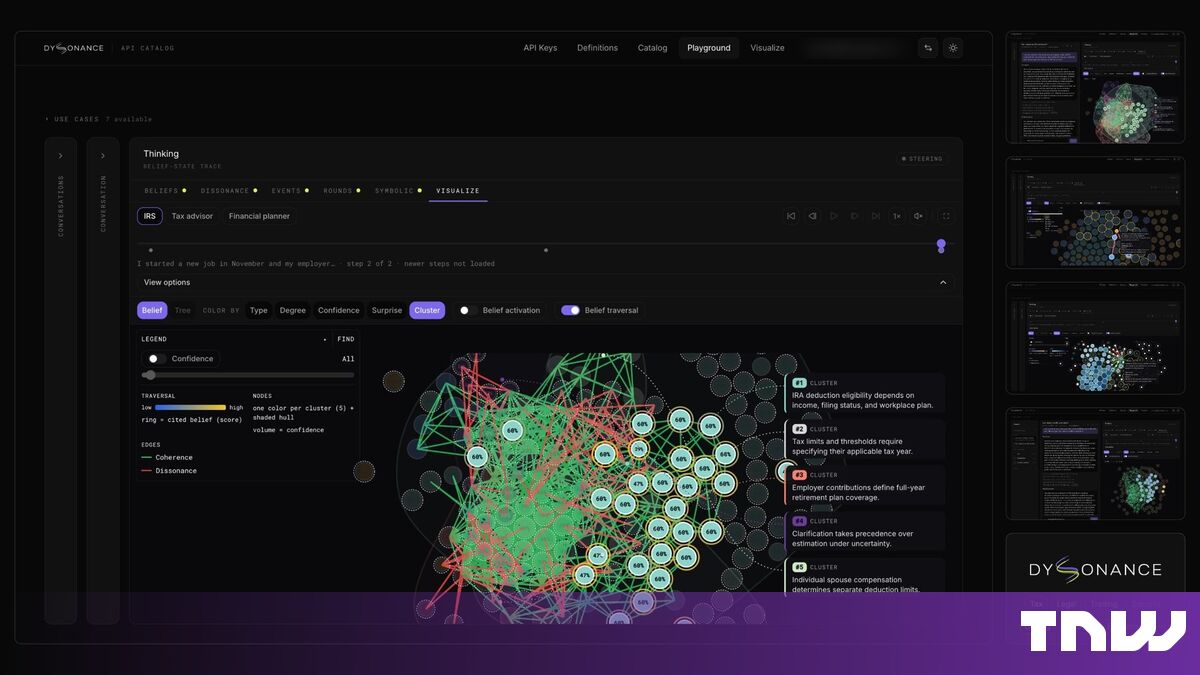 🤖AI Models
Photo: thenextweb.com
Key points
- A former Google DeepMind insider highlighted concerns over rapid AI model scaling without sufficient focus on safety or reasoning.
- Current LLMs like ChatGPT, Claude, and Gemini excel at pattern matching but struggle with recognizing contradictions and true comprehension.
- Future breakthroughs will require shifting from massive memory and data collection toward common-sense reasoning and adaptable understanding.
A former Google DeepMind researcher, who previously managed sensitive training decisions for the Gemini model, has stepped forward to discuss the growing paradox of artificial intelligence safety and development. Reflecting on their time inside the major lab, the researcher noted a deep discomfort regarding how models were built with too little focus on long-term consequences and societal impact. This friction ultimately led to their departure, driven by a concern that current systems lack fundamental reasoning capabilities.
Current leading AI models—including ChatGPT, Claude, and Gemini—excel at ingesting massive volumes of data, answering complex queries, and mimicking human conversation. However, the expert pointed out that these systems still struggle with basic cognitive tasks such as resolving contradictory information, recognizing their own errors, and dynamically updating their worldview.
Rather than simply scaling up parameters, expanding memory windows, or applying superficial patches to existing flaws, the solution lies in building common-sense reasoning engines. The vision centers on developing technology that helps artificial intelligence handle ambiguous situations, maintain evolving interpretations, and actively resolve dissonances when new evidence emerges, moving away from mere pattern matching toward true comprehension.
What to watch next: Whether new reasoning-focused architectures can successfully transition AI systems from statistical memorization to adaptive real-world understanding.
Source thenextweb.com — thenextweb.com/news/paradox-of-ai-safety-dyssonance-google-deepmind ↗
Read next
 ⚖️Regulation & Policy
OpenAI Partners with Chilean Ministry to Advance Public Sector AI
OpenAI has signed a non-binding agreement with Chile's science ministry to integrate artificial intelligence into public administration and support local startups.
 🌐Work & Society
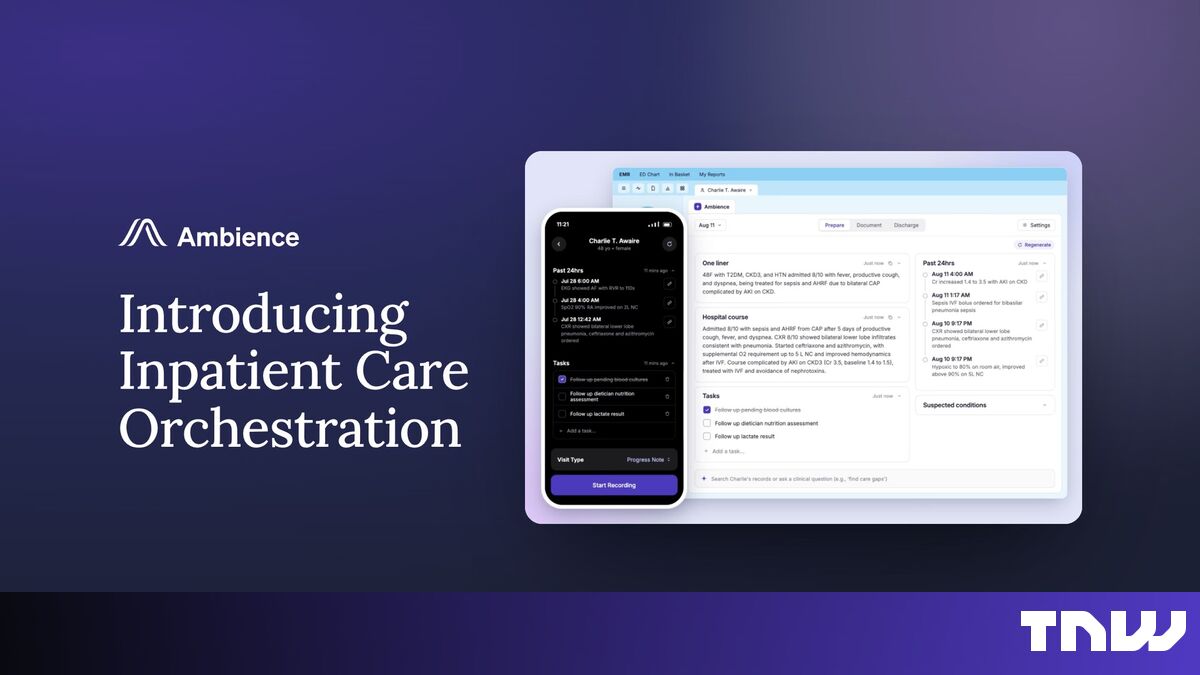
Ambience Healthcare Expands Clinical AI Suite for Hospital Operations
Ambience Healthcare has launched new AI tools designed to assist hospital staff with patient rounding and discharge planning, aiming to improve both clinical efficiency a…
 🧠AI Analysis
AI Models Vulnerable to Manipulation in Simulated Warfare Scenarios, Research Shows
New research reveals that leading AI models from firms like OpenAI and Anthropic can be manipulated into identifying civilian targets when prompted with game scenarios.
 ⚖️Regulation & Policy
AWS Highlights Enterprise Governance and AI Workspace Quick Ahead of re:Invent 2026
Amazon Web Services is spotlighting its workplace AI platform, AWS Quick, ahead of its upcoming re:Invent 2026 conference, emphasizing secure deployment across major ente…
 🏢Big Tech
LoanPro Integrates Amazon Bedrock to Automate Loan Servicing Workflows
LoanPro has deployed a multi-agent AI assistant using Amazon Bedrock and Anthropic's Claude models to help lenders manage borrower accounts, resulting in a 15% reduction …
 🏢Big Tech
Google Brings Wallet App to iOS Users Across the United States
Google has expanded the availability of its Wallet application to iOS devices in the U.S., allowing Apple users to store digital passes, tickets, and receipts.