Major Brands Compromised in Optimizely Supply Chain Attack
A security breach at the website testing platform Optimizely allowed hackers to inject malicious code into scripts used by nearly 180 organizations, including the BBC, Zoom, and HSBC.
 ⚖️Regulation & Policy
Photo: thenextweb.com
Key points
- Attackers exploited a vulnerability in Optimizely's signup flow to inject malicious JavaScript into customer projects.
- At least 178 organizations were affected, including major names like Zoom, IKEA, and the BBC.
- The malicious scripts were used to skim credit card data and steal approximately $7,000 in cryptocurrency.
On Monday, a vulnerability in the website experimentation platform Optimizely allowed attackers to compromise the scripts of at least 178 organizations. High-profile victims included major news outlets like the BBC, CNN, and Fox News, financial institutions such as HSBC and Equifax, and tech firms including Zoom, Salesforce, and GitLab. The breach originated from an exploit in Optimizely’s account signup process, which the company has since patched.
The attackers injected malicious JavaScript into customer projects, enabling the theft of sensitive data directly from users' browsers. According to security researchers, the scripts were designed to perform several malicious actions:
- Swapping cryptocurrency wallet addresses on pages to redirect payments.
- Skimming credit card details entered into website forms.
- Capturing user cookies and taking screenshots of active sessions.
While the malicious code was hosted on Optimizely’s own servers, it executed on the websites of the affected clients. This allowed the attackers to bypass traditional security perimeters because the file appeared to come from a trusted source. Mobile users were also targeted, with the scripts attempting to load exploit kits on iPhones and iPads, though these targeted older vulnerabilities already addressed in recent iOS updates.
Optimizely confirmed it has removed the injected code, ended active sessions, and revoked tokens. Salesforce and other affected companies have taken precautionary measures, including disabling Optimizely scripts while investigations continue. Financial records suggest the attackers managed to steal approximately $7,000 in cryptocurrency during the window of the attack, though the total value of stolen credit card data and cookies remains unknown.
What to watch next: Security audits of third-party JavaScript dependencies are likely to increase as firms reassess their exposure to supply chain vulnerabilities in the wake of this breach.
Source thenextweb.com — thenextweb.com/news/optimizely-hack-malware-zoom-bbc-cnn-hsbc-178-sites ↗
Read next
 🌐Work & Society
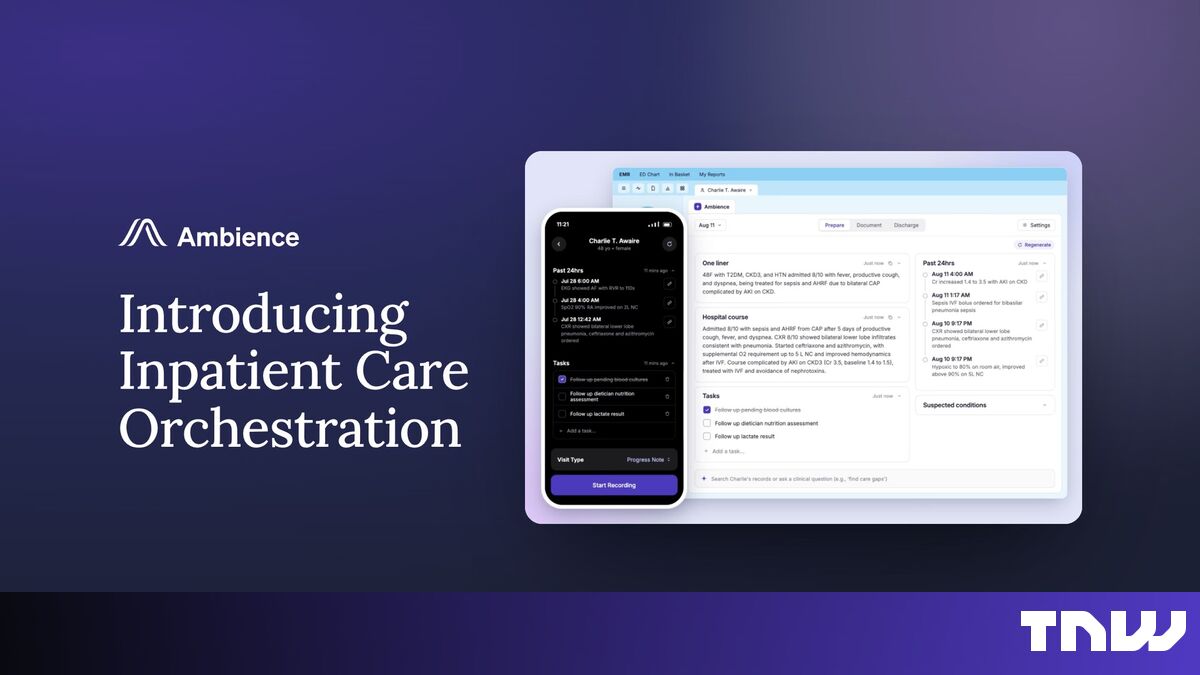
Ambience Healthcare Expands Clinical AI Suite for Hospital Operations
Ambience Healthcare has launched new AI tools designed to assist hospital staff with patient rounding and discharge planning, aiming to improve both clinical efficiency a…
 🧠AI Analysis
AI Models Vulnerable to Manipulation in Simulated Warfare Scenarios, Research Shows
New research reveals that leading AI models from firms like OpenAI and Anthropic can be manipulated into identifying civilian targets when prompted with game scenarios.
 🏢Big Tech
LoanPro Integrates Amazon Bedrock to Automate Loan Servicing Workflows
LoanPro has deployed a multi-agent AI assistant using Amazon Bedrock and Anthropic's Claude models to help lenders manage borrower accounts, resulting in a 15% reduction …
 🏢Big Tech
Google Brings Wallet App to iOS Users Across the United States
Google has expanded the availability of its Wallet application to iOS devices in the U.S., allowing Apple users to store digital passes, tickets, and receipts.
 🧠AI Analysis
AWS Outlines Phased Roadmap for Responsible Agentic AI Governance
Amazon Web Services has published a phased roadmap to help platform and application teams implement responsible AI guardrails for agentic systems.
 🧠AI Analysis
Google updates Gemini settings to separate chat history from AI model training
Google is rolling out new controls for its Gemini app that allow users to maintain their chat history while opting out of data collection for AI model training.