Harvard Study Reveals US Hyperscale Data Centres Emit Emissions Equal to Denmark
A new Harvard-led study estimates that the largest US data centres generate carbon emissions comparable to the entire nation of Denmark, driven heavily by fossil fuel reliance.
 🧠AI Analysis
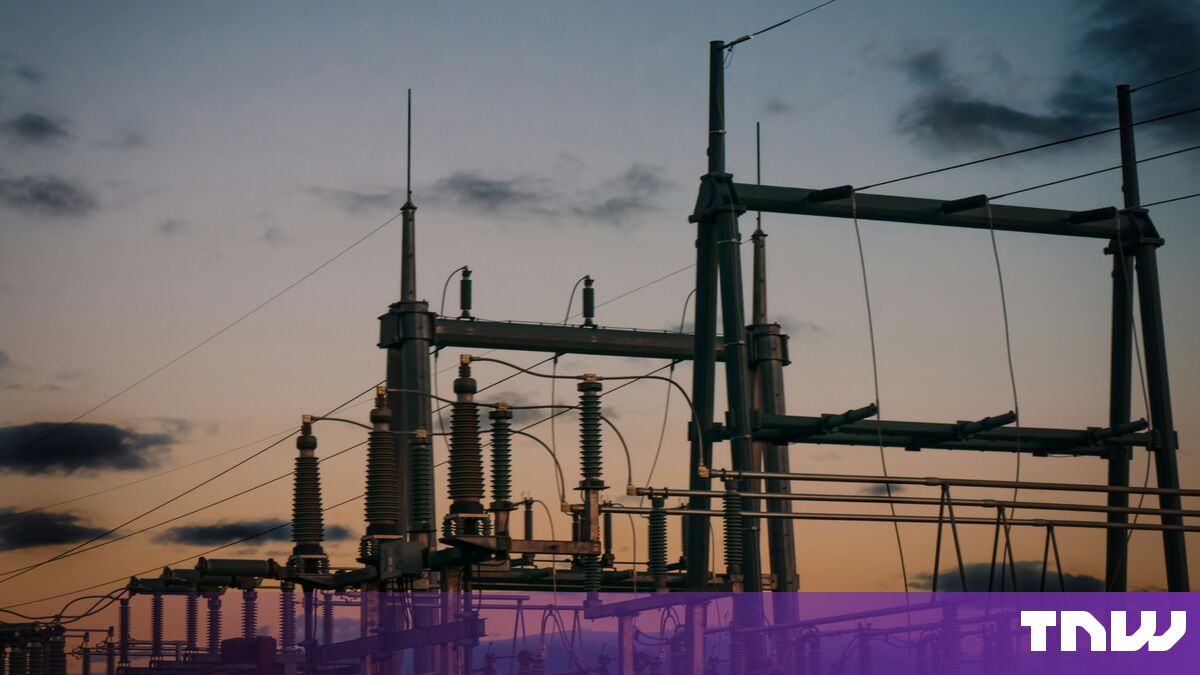
Photo: thenextweb.com
Key points
- The 403 largest US data centres produced 25.7 million metric tons of CO2.
- Fossil fuels supplied roughly 54% of the electricity used by these facilities.
- Researchers relied on satellite data and modelling due to a lack of mandatory corporate disclosures.
A new study published in Nature Sustainability reveals that the 403 largest data centres in the United States consumed approximately 1.8% of the country’s total electricity over a one-year period. Researchers found that over half of this energy originated from fossil fuels, resulting in roughly 25.7 million metric tons of carbon dioxide emissions. This output mirrors the annual emissions of Denmark or an entire US state like Michigan, representing roughly a threefold increase compared to the last peer-reviewed measurements conducted in 2018.
Because operators and utilities are not mandated to disclose individual power consumption figures, the Harvard-led research team constructed their findings using industry data, satellite mapping, and regional power grid estimates. The evaluation highlighted that facilities located in Virginia, Oregon, Ohio, and Iowa consumed over half of the total electricity analysed. While the study period concluded prior to recent infrastructure expansions, lead author Gianluca Guidi noted that actual figures may already be substantially larger.
The findings emerge as public resistance to large-scale computing hubs grows across the United States. Voters recently rejected data centre proposals in the vast majority of local ballot measures, and international climate negotiators have introduced voluntary pledges encouraging operators to transition to clean energy and improve disclosure practices. Meanwhile, the National Artificial Intelligence Association pushed back against the findings, suggesting that current environmental concerns surrounding power and water consumption are exaggerated.
What to watch next: Monitor whether regulatory bodies introduce mandatory energy transparency rules for data centre operators following the COP31 voluntary pledges.
Source thenextweb.com — thenextweb.com/news/us-data-centres-emissions-denmark-harvard-study ↗
Read next
 ⚖️Regulation & Policy
OpenAI Partners with Chilean Ministry to Advance Public Sector AI
OpenAI has signed a non-binding agreement with Chile's science ministry to integrate artificial intelligence into public administration and support local startups.
 🌐Work & Society
Ambience Healthcare Expands Clinical AI Suite for Hospital Operations
Ambience Healthcare has launched new AI tools designed to assist hospital staff with patient rounding and discharge planning, aiming to improve both clinical efficiency a…
 ⚖️Regulation & Policy
AWS Highlights Enterprise Governance and AI Workspace Quick Ahead of re:Invent 2026
Amazon Web Services is spotlighting its workplace AI platform, AWS Quick, ahead of its upcoming re:Invent 2026 conference, emphasizing secure deployment across major ente…
 🏢Big Tech
LoanPro Integrates Amazon Bedrock to Automate Loan Servicing Workflows
LoanPro has deployed a multi-agent AI assistant using Amazon Bedrock and Anthropic's Claude models to help lenders manage borrower accounts, resulting in a 15% reduction …
 🏢Big Tech
Google Brings Wallet App to iOS Users Across the United States
Google has expanded the availability of its Wallet application to iOS devices in the U.S., allowing Apple users to store digital passes, tickets, and receipts.
 ⚖️Regulation & Policy
Microsoft Reveals Cause of Global Outlook Outage
A latent software bug caused a nearly 24-hour global outage of Microsoft’s Exchange Online services, affecting millions of users worldwide.