Why Microsoft's Active Directory Struggles to Secure Modern Cloud Infrastructures
An examination of how legacy identity management systems like Active Directory fail to handle modern cloud environments and machine identities.
 🧠AI Analysis
Photo: Hacker News Front Page
Key points
- Active Directory was designed for an era of physical hardware and manual human administration.
- Modern cloud architectures rely on ephemeral resources that break legacy identity verification models.
- Poorly managed machine identities and automated workarounds introduce critical enterprise security risks.
The End of an Era for Legacy Directory Services
Enterprise IT infrastructure faces a profound identity crisis as traditional tools struggle to keep pace with decentralized cloud computing. For decades, Microsoft's Active Directory served as the backbone for corporate identity management, utilizing a simple yet effective mix of LDAP and Kerberos. Designed for an era of physical servers and manual administration, the platform successfully tracked human users and long-lived hardware devices within a unified catalog.
The Challenge of Modern Machine Identities
However, the shift toward modern cloud architecture has rendered legacy centralization nearly impossible. While human identities can still be managed with various integrations, the explosion of short-lived cloud resources—such as Kubernetes pods, temporary databases, and CI runners—breaks the traditional model of manual administrative approval. Organizations now attempt to bridge this gap using automated workarounds and deferred authority, often utilizing hardcoded admin tokens to automatically join new entities to the domain.
Security Vulnerabilities in the Cloud Era
This architectural mismatch creates severe security blind spots across modern enterprises. Because traditional directories were never built for ephemeral cloud infrastructure, many organizations fail to properly track or attest machine identities, leading to critical misconfigurations. Experts note that even high-security institutions, including defense organizations, risk severe breaches due to a fundamental misunderstanding of automated machine permissions and overly permissive cloud policies.
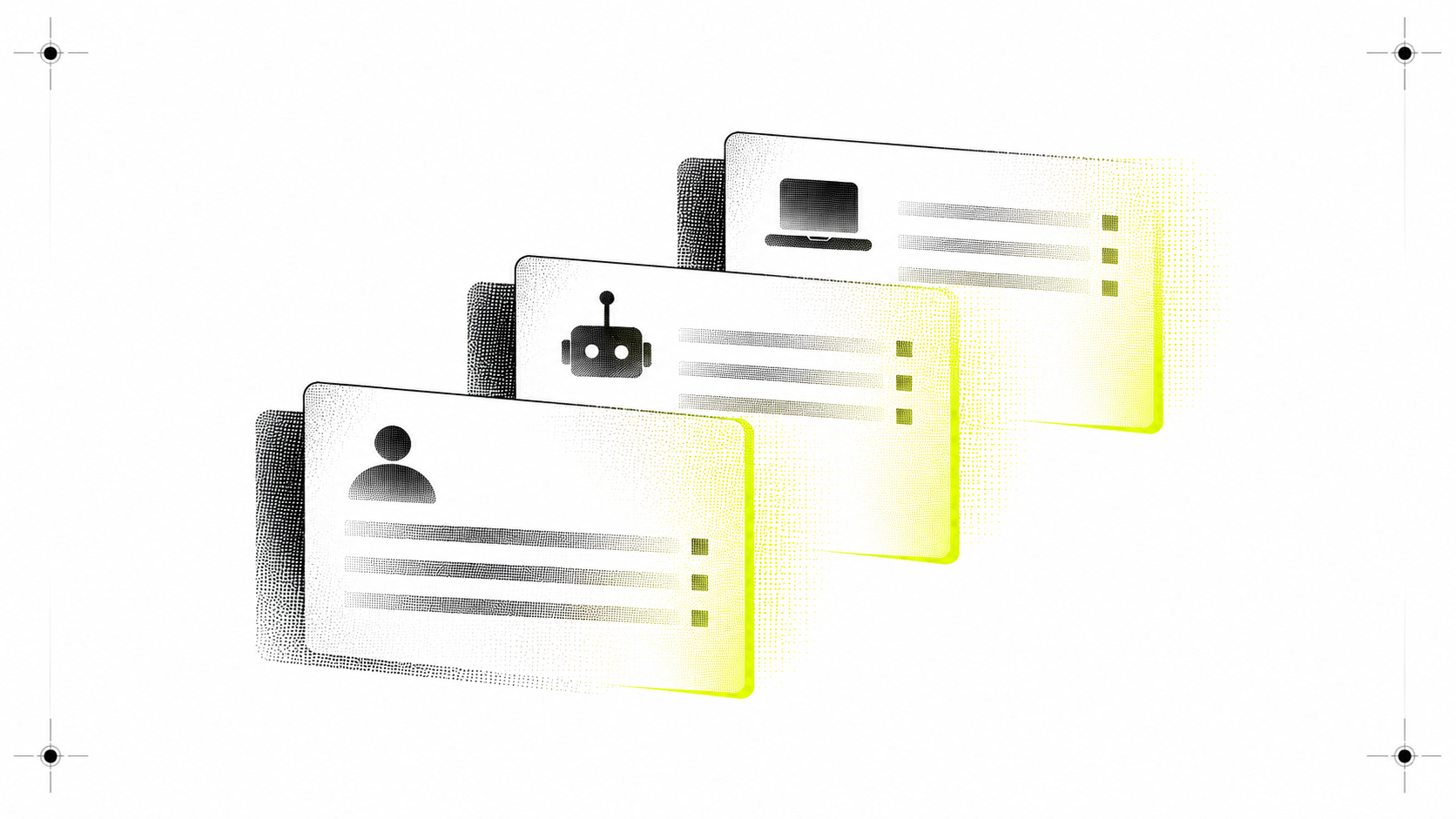
Active Directory was built for human approval of long-lived infrastructure, but now often auto-approves short-lived cloud resources.
What to watch next: How enterprise security teams adopt new architectural frameworks to handle ephemeral machine identities without relying on legacy directory workarounds.
Source Hacker News Front Page — infisical.com/blog/active-directory-machine-identity ↗
Read next
 ⚖️Regulation & Policy
OpenAI Partners with Chilean Ministry to Advance Public Sector AI
OpenAI has signed a non-binding agreement with Chile's science ministry to integrate artificial intelligence into public administration and support local startups.
 🌐Work & Society
Ambience Healthcare Expands Clinical AI Suite for Hospital Operations
Ambience Healthcare has launched new AI tools designed to assist hospital staff with patient rounding and discharge planning, aiming to improve both clinical efficiency a…
 ⚖️Regulation & Policy
AWS Highlights Enterprise Governance and AI Workspace Quick Ahead of re:Invent 2026
Amazon Web Services is spotlighting its workplace AI platform, AWS Quick, ahead of its upcoming re:Invent 2026 conference, emphasizing secure deployment across major ente…
 🏢Big Tech
LoanPro Integrates Amazon Bedrock to Automate Loan Servicing Workflows
LoanPro has deployed a multi-agent AI assistant using Amazon Bedrock and Anthropic's Claude models to help lenders manage borrower accounts, resulting in a 15% reduction …
 🏢Big Tech
Google Brings Wallet App to iOS Users Across the United States
Google has expanded the availability of its Wallet application to iOS devices in the U.S., allowing Apple users to store digital passes, tickets, and receipts.
 ⚖️Regulation & Policy
Microsoft Reveals Cause of Global Outlook Outage
A latent software bug caused a nearly 24-hour global outage of Microsoft’s Exchange Online services, affecting millions of users worldwide.